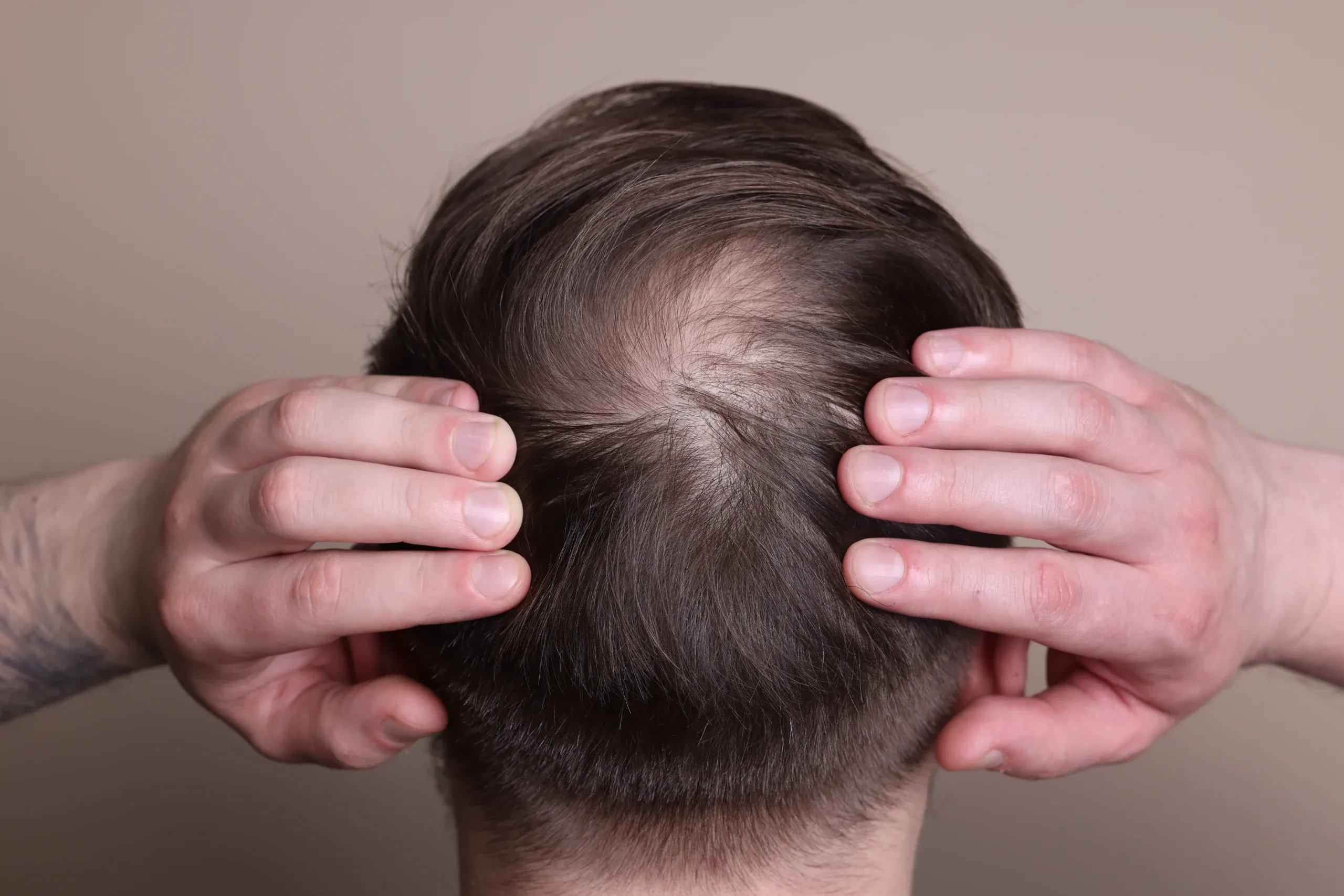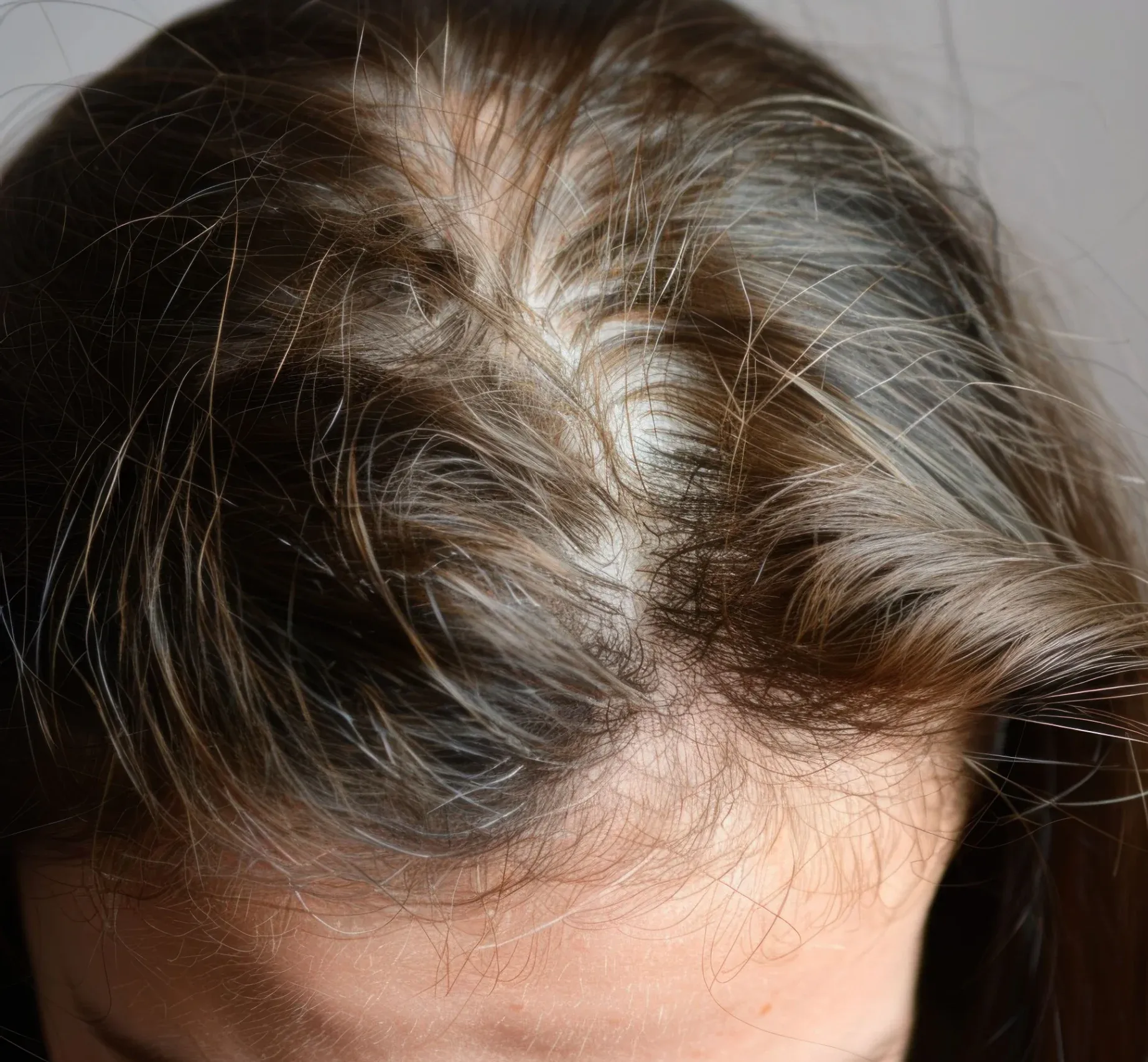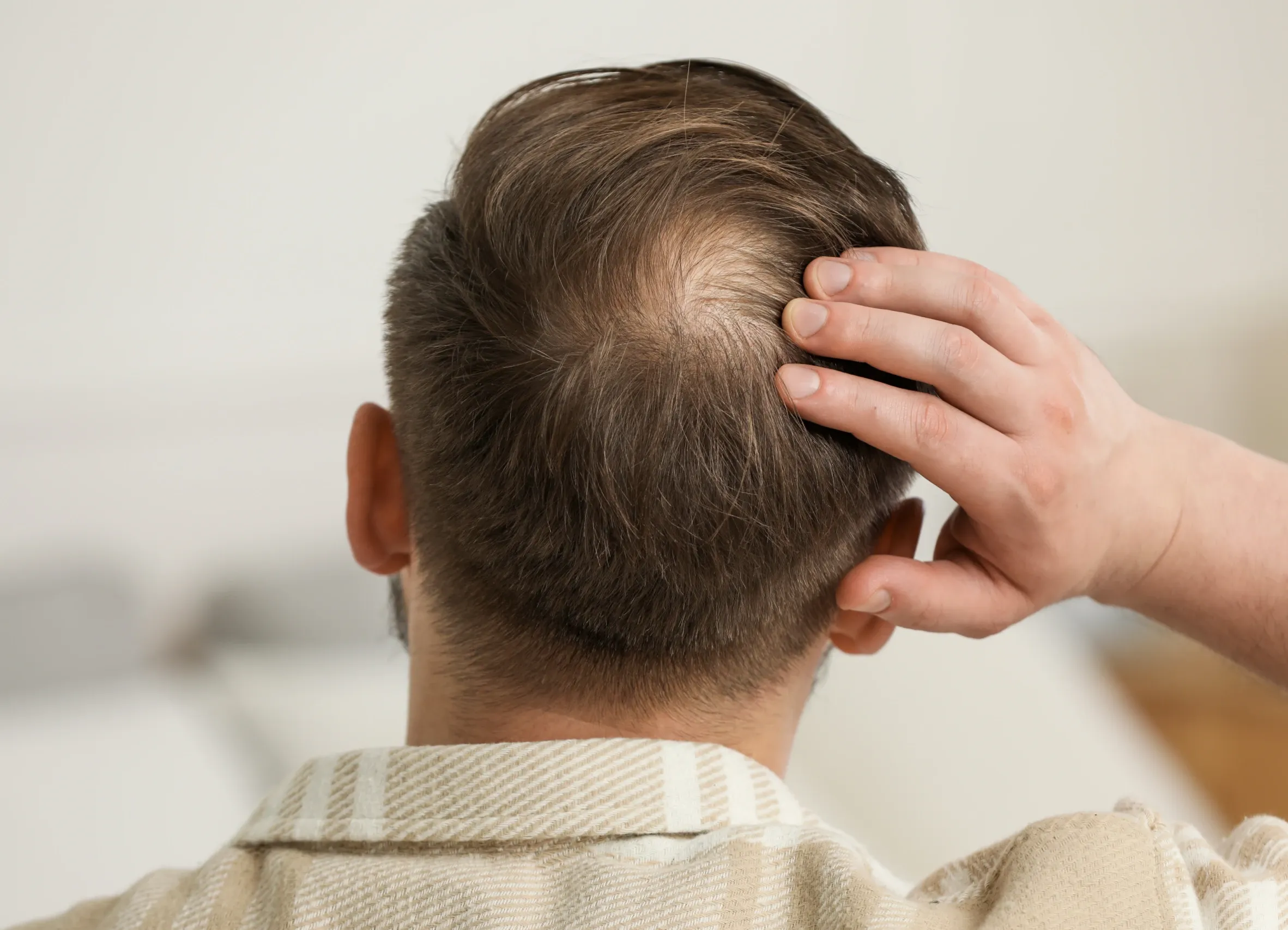
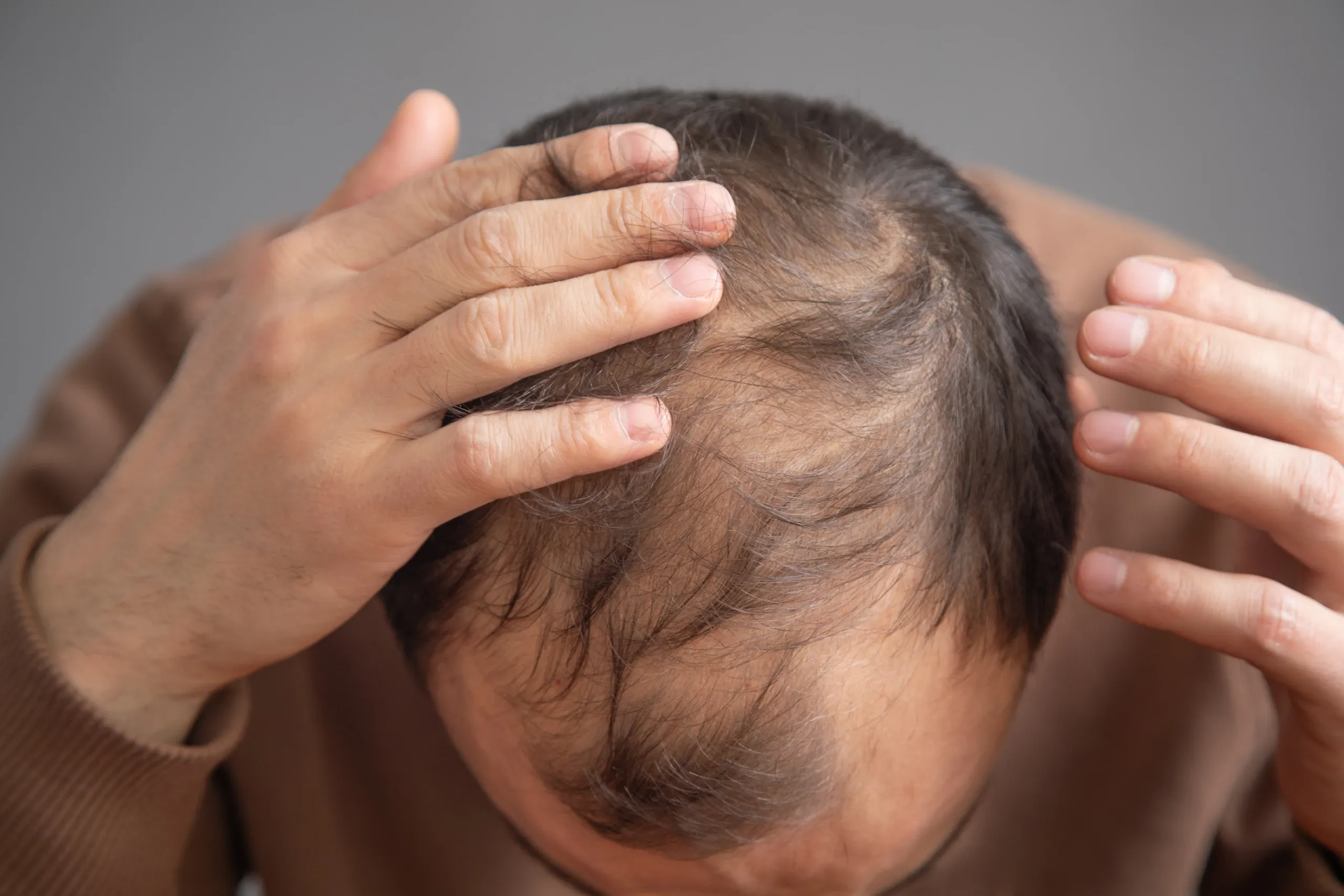
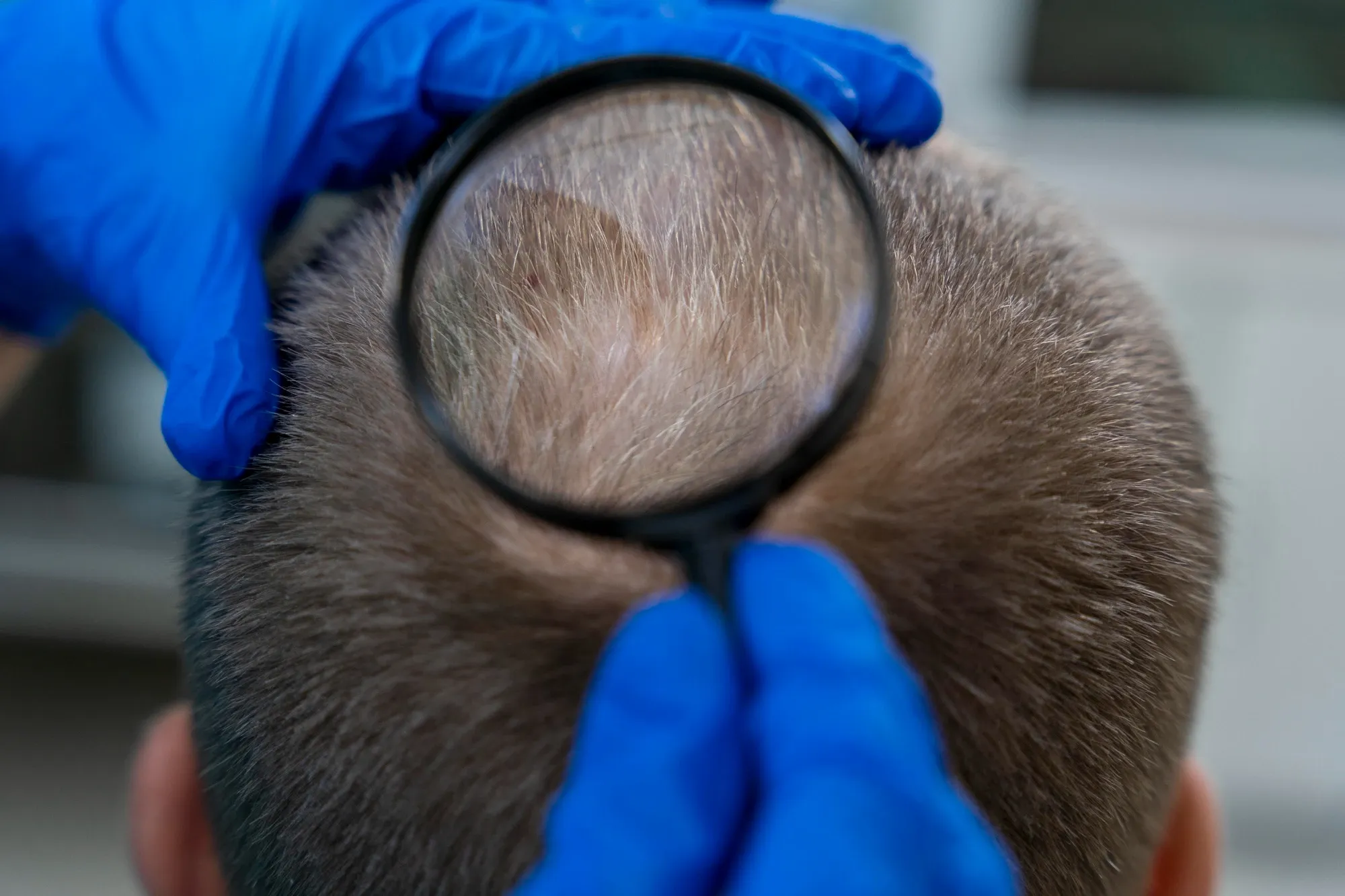
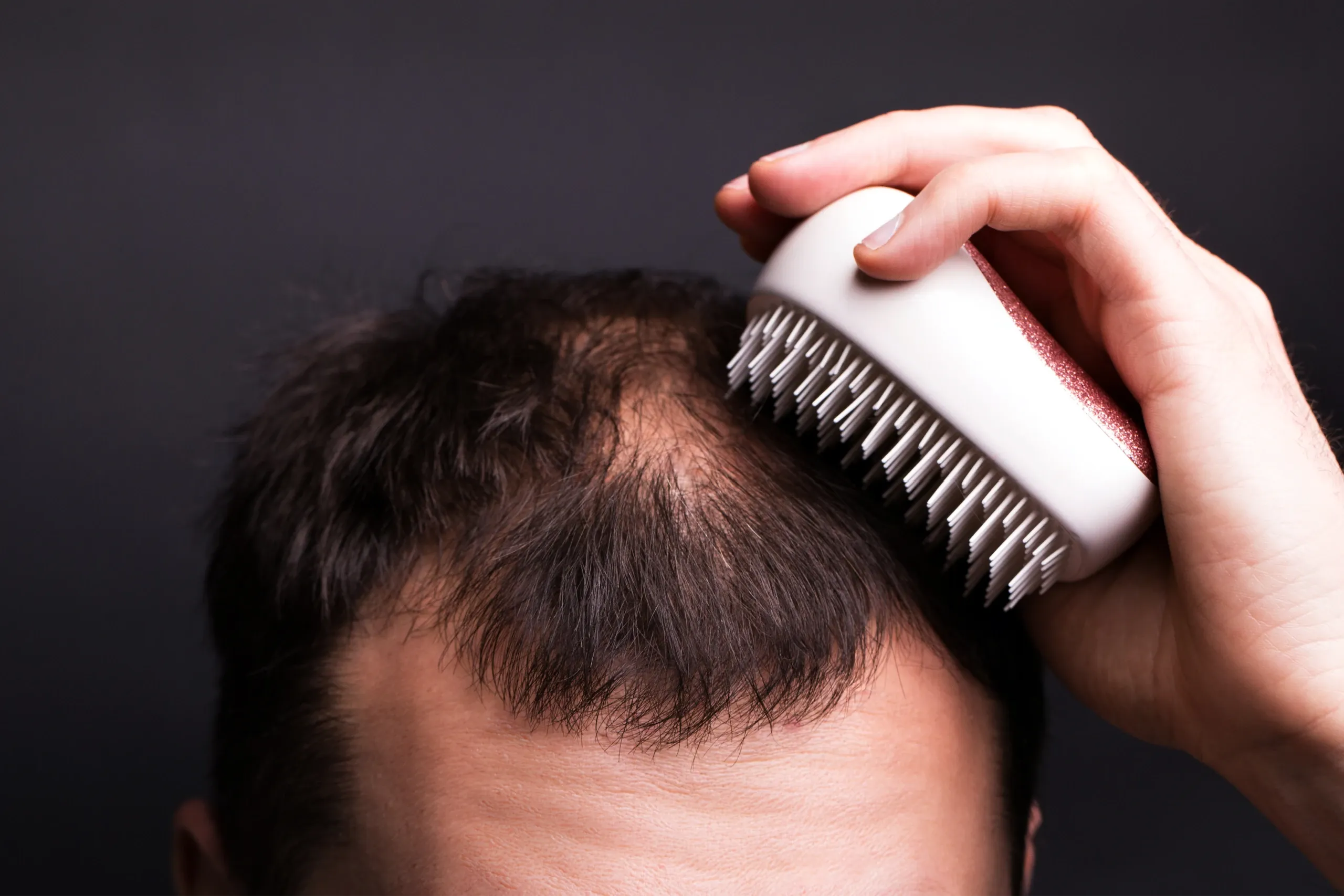
Diffuse thinning occurs when a disproportionate number of hair follicles prematurely enter the telogen (resting) phase or when the anagen (growth) phase shortens across the entire scalp. Unlike pattern baldness driven primarily by dihydrotestosterone (DHT) sensitivity in specific scalp regions, diffuse hair loss reflects a systemic disruption to the hair growth cycle.
Acute telogen effluvium — the most common cause — typically occurs 2-4 months after a triggering event such as major surgery, high fever, rapid weight loss, childbirth, or severe emotional stress. The good news is that acute telogen effluvium is usually self-limiting and fully reversible once the trigger is resolved. Chronic diffuse thinning, however, may require ongoing medical management and is often linked to thyroid disorders, iron deficiency anemia, hormonal fluctuations, autoimmune conditions, or chronic nutritional inadequacies.
Certain medications — including some blood thinners, antidepressants, beta-blockers, and retinoids — can also cause diffuse shedding as a side effect. This is why a comprehensive diagnostic workup at DSI Hair is essential before beginning any treatment protocol.