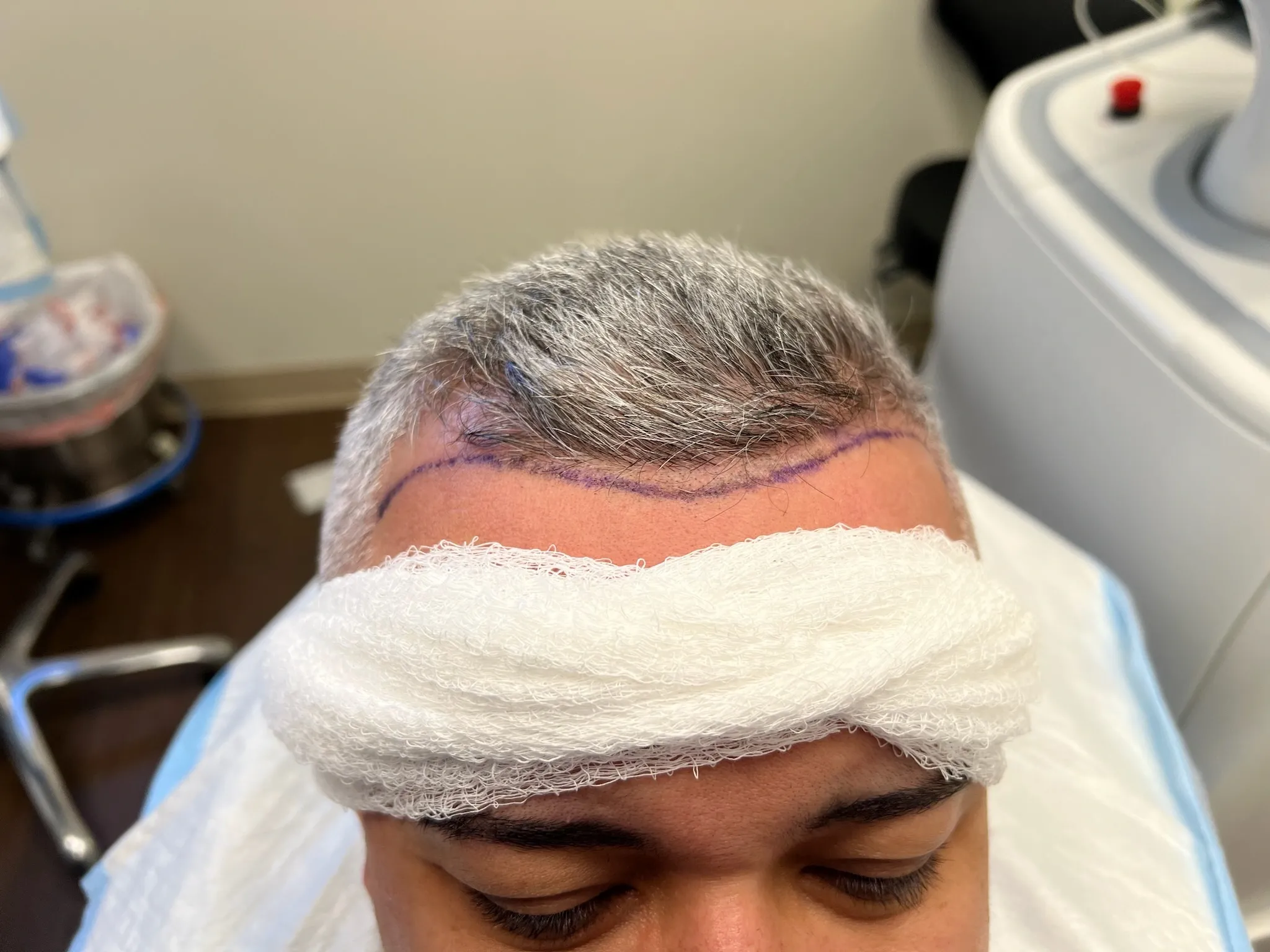
Blood Draw
Dr. Khanna draws a small blood sample (approximately 30-60 mL) from your arm, similar to a routine lab draw.

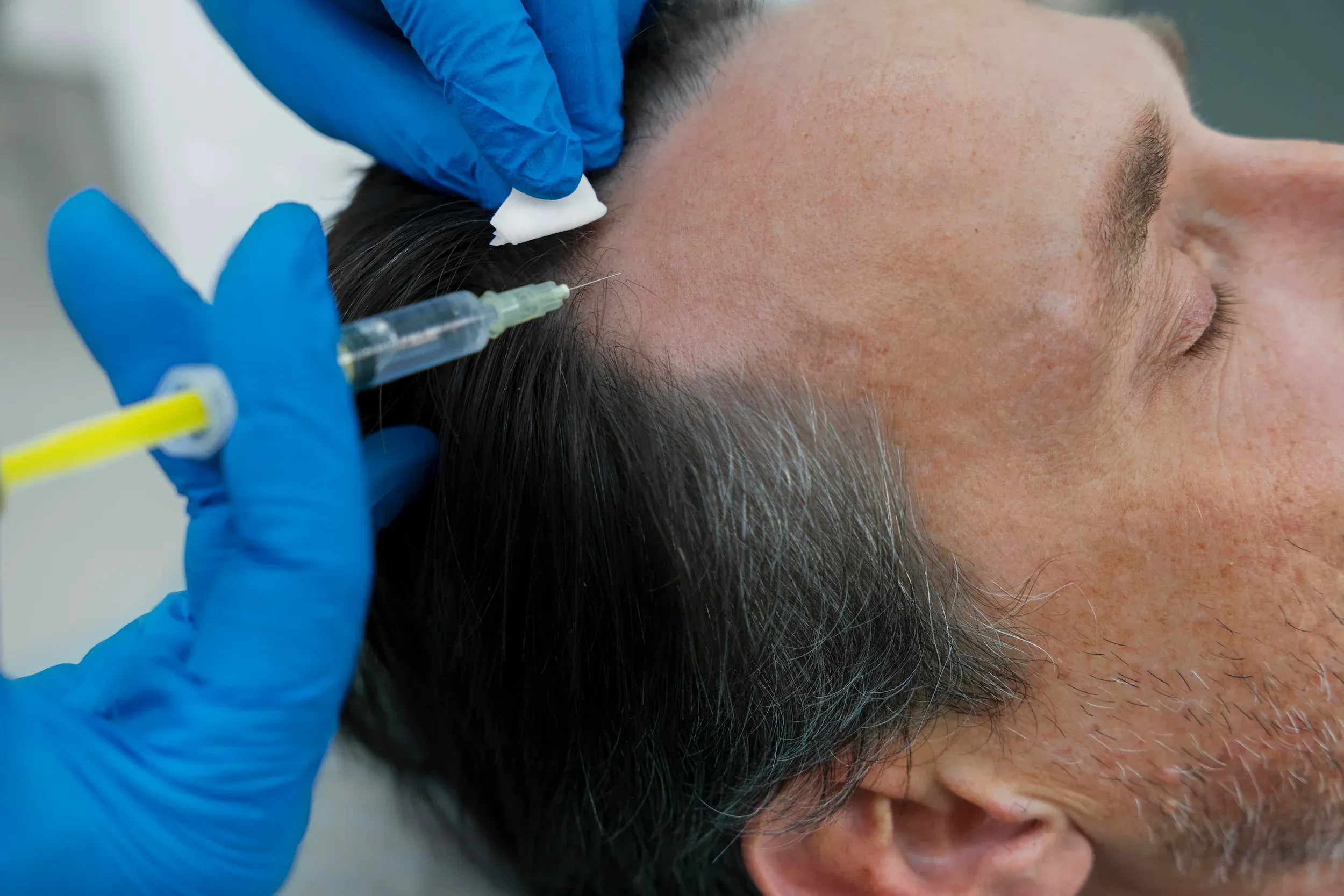
Platelet-Rich Plasma Therapy
A Science-Backed Solution
Watching your hair thin gradually — whether it's a widening part, receding temples, or overall loss of density — takes a real emotional toll. You may have tried over-the-counter products or avoided mirrors altogether. For many patients dealing with thinning hair or diffuse thinning, the frustration of ineffective solutions only deepens the sense of helplessness. Hair loss affects how you present yourself professionally and socially, and finding a clinically validated path forward matters.
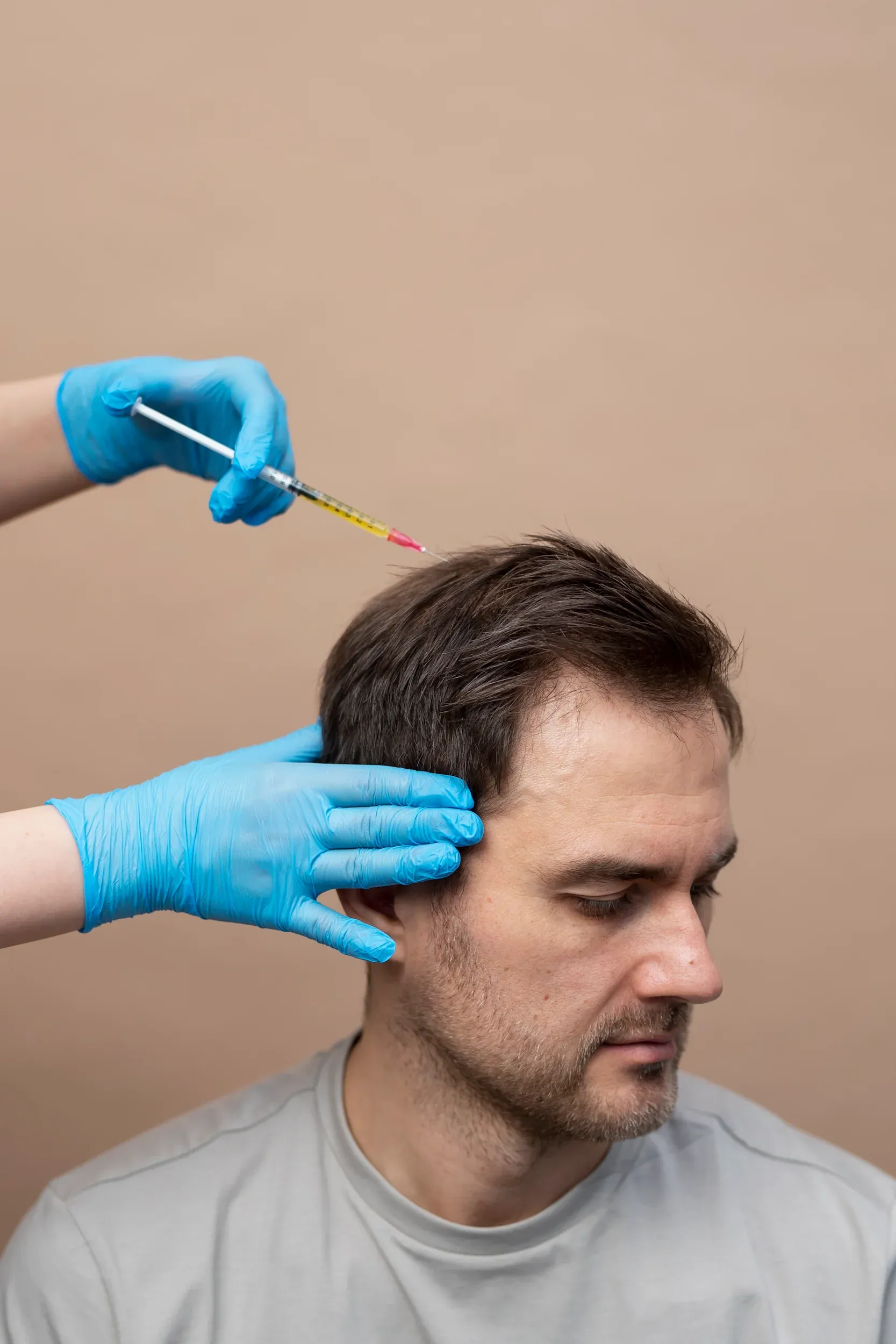
PRP hair restoration offers a regenerative approach that works with your body's natural healing mechanisms. By isolating platelet-rich plasma from a simple blood draw and injecting it directly into thinning areas, we deliver a concentrated dose of growth factors — including PDGF, VEGF, and EGF — that stimulate follicular stem cells and extend the active growth phase of hair. Combined with treatments like minoxidil alongside PRP, patients often see meaningful improvement in both hair density and thickness within months.
Platelet-Rich Plasma Science
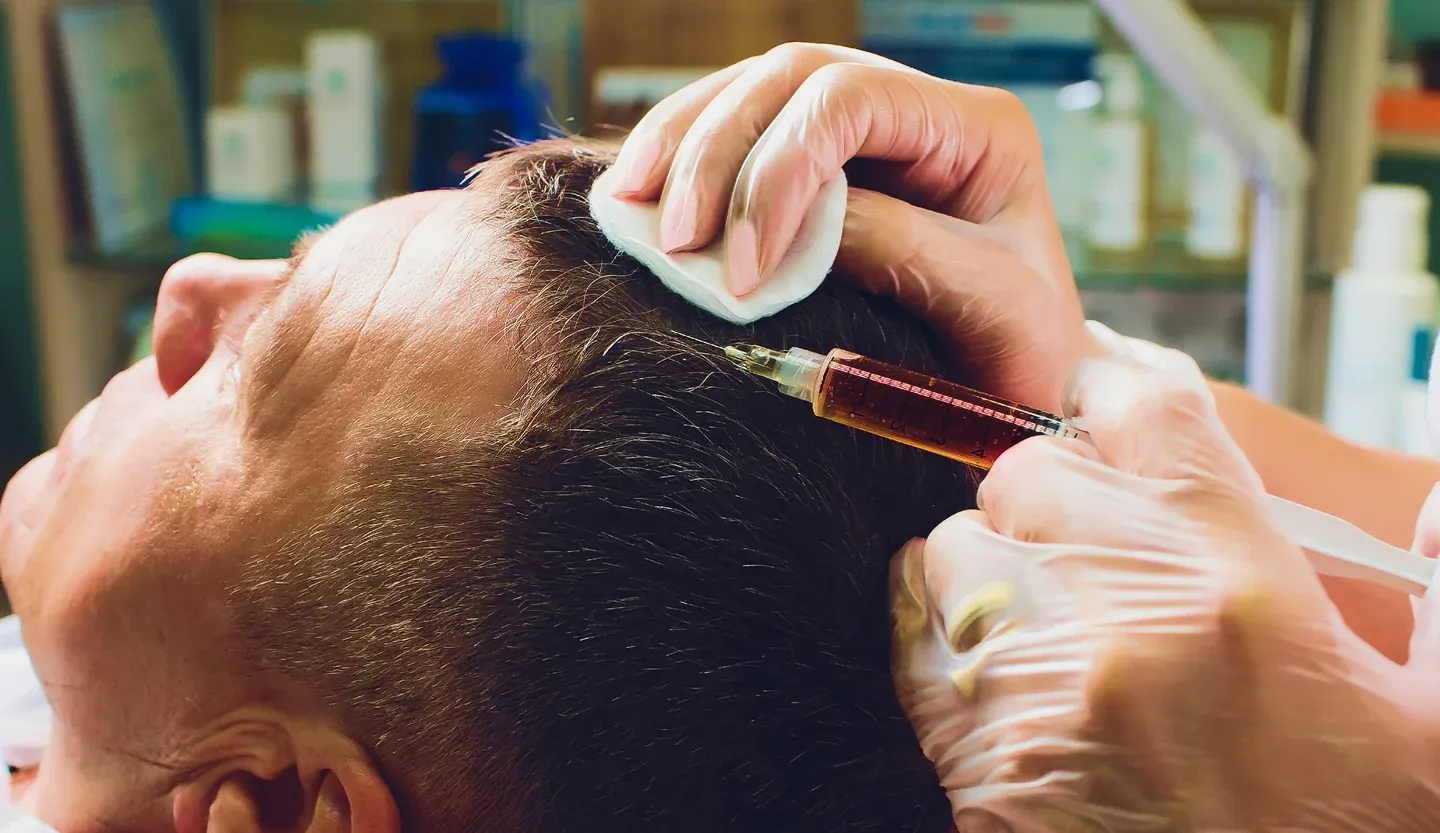
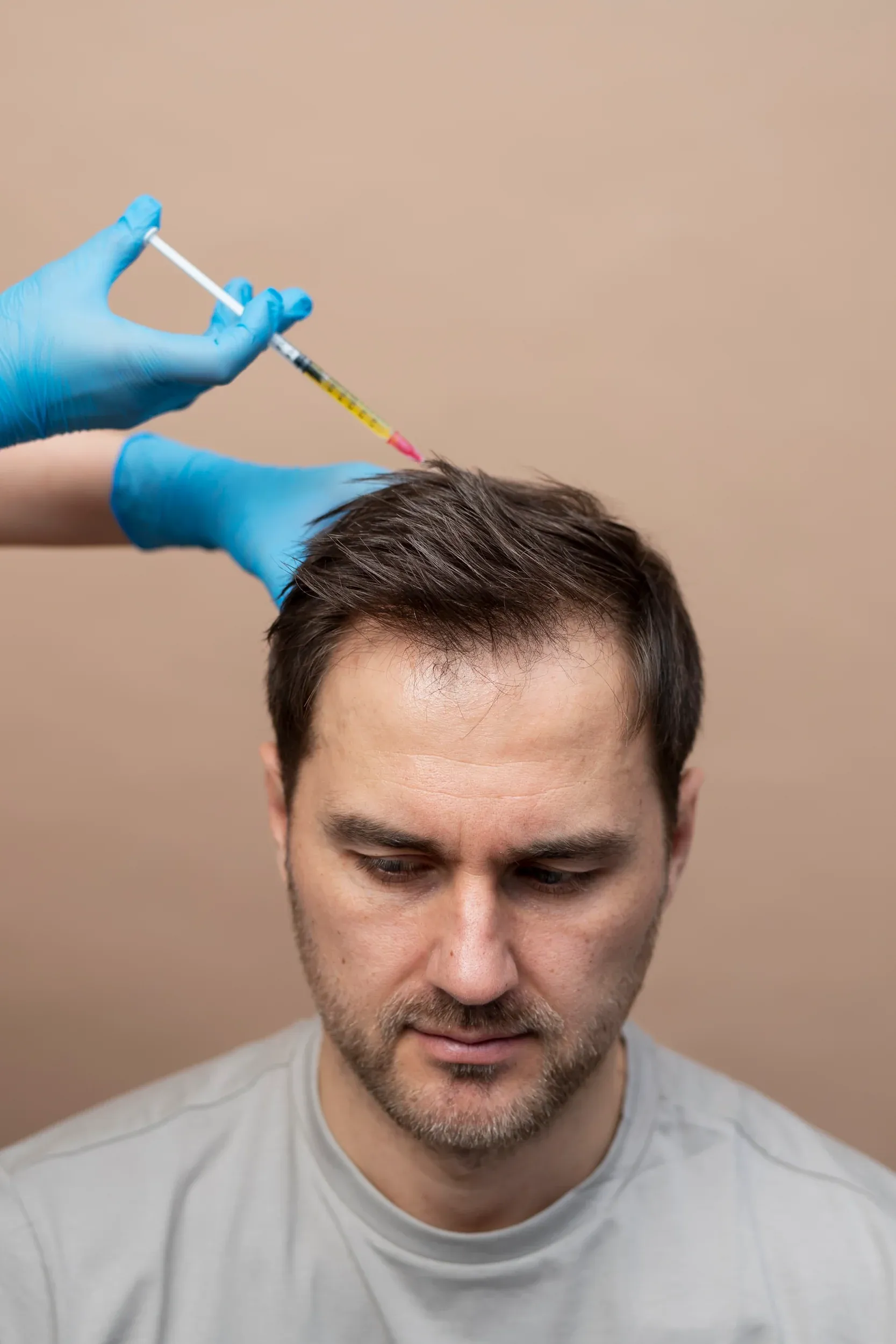
PRP (platelet-rich plasma) hair restoration is a non-surgical, autologous treatment that uses your own blood to stimulate natural hair regrowth. A small blood sample is drawn and processed in a centrifuge to separate the platelet-rich plasma — a concentrate containing 3-5 times the normal platelet count — from red blood cells. This concentrated plasma is rich in bioactive growth factors including platelet-derived growth factor (PDGF), vascular endothelial growth factor (VEGF), epidermal growth factor (EGF), and transforming growth factor-beta (TGF-B).
When injected into the scalp at the level of the hair follicle, these growth factors activate dormant follicular stem cells, promote angiogenesis (new blood vessel formation) around miniaturized follicles, and extend the anagen (active growth) phase of the hair cycle. The result is thicker, stronger hair shafts and reactivation of follicles that have begun to shrink due to androgenetic alopecia or other forms of hair loss. PRP is FDA-cleared for use in regenerative procedures and has been extensively studied in peer-reviewed dermatology literature for its efficacy in treating hair loss.
Targeted Hair Loss Solutions
Stimulates dormant follicles and increases hair shaft diameter for visible density improvement
Delivers growth factors across broad areas of the scalp to address widespread miniaturization
Most effective when follicles are still present but miniaturized — ideal for Norwood 2-4 stages
Accelerates graft survival and healing when combined with hair transplant procedures
Non-hormonal treatment option well-suited for women experiencing progressive thinning
Growth factors help reduce excessive shedding and encourage follicles to re-enter the active growth phase sooner
Why Patients Choose PRP
Uses your own blood — no synthetic chemicals, no risk of allergic reaction or rejection
Non-invasive injections with no incisions, sutures, or scarring of any kind
Return to work and daily activities immediately after your appointment
Peer-reviewed studies demonstrate increased hair count and thickness after PRP therapy
Enhances results of minoxidil, finasteride, and hair transplant when used in combination
Compare Your Options
| Treatment | Mechanism | Time | Results | Duration | Downtime | Best For |
|---|---|---|---|---|---|---|
| PRP Hair Restoration | Growth factor injection stimulates follicles | 45-60 min | 3-6 months | 12-18 months per series | None | Thinning hair, early-stage loss, transplant enhancement |
| Minoxidil (Topical) | Vasodilator increases blood flow to follicles | Daily application | 3-6 months | Ongoing use required | None | Diffuse thinning, maintenance therapy |
| Hair Transplant | Surgical relocation of permanent follicles | 4-8 hours | 9-12 months | Permanent | 7-14 days | Advanced hair loss, receding hairline, crown restoration |
PRP
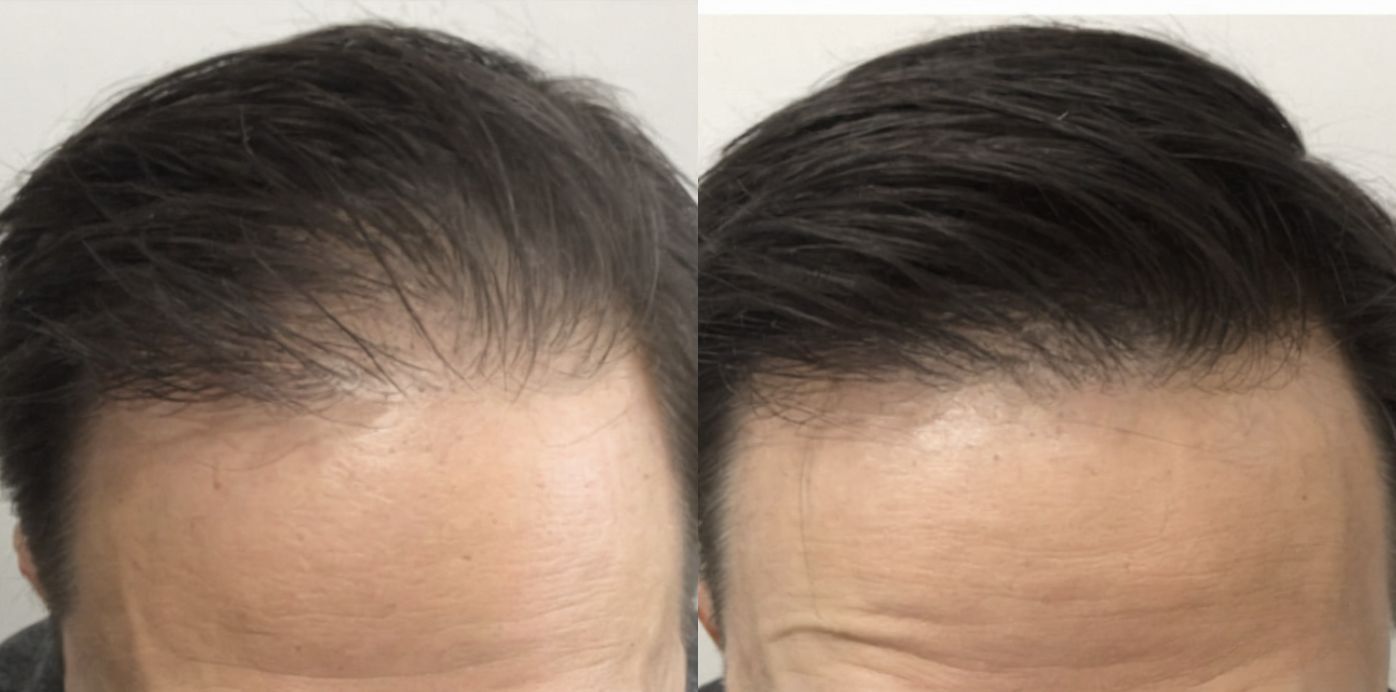
PRP hair restoration patients at DSI Hair typically notice reduced shedding within 4-6 weeks, with visible improvements in hair density and thickness emerging between 3-6 months after beginning their treatment series. Results are most dramatic when PRP is combined with a comprehensive hair restoration plan tailored by Dr. Khanna.
View All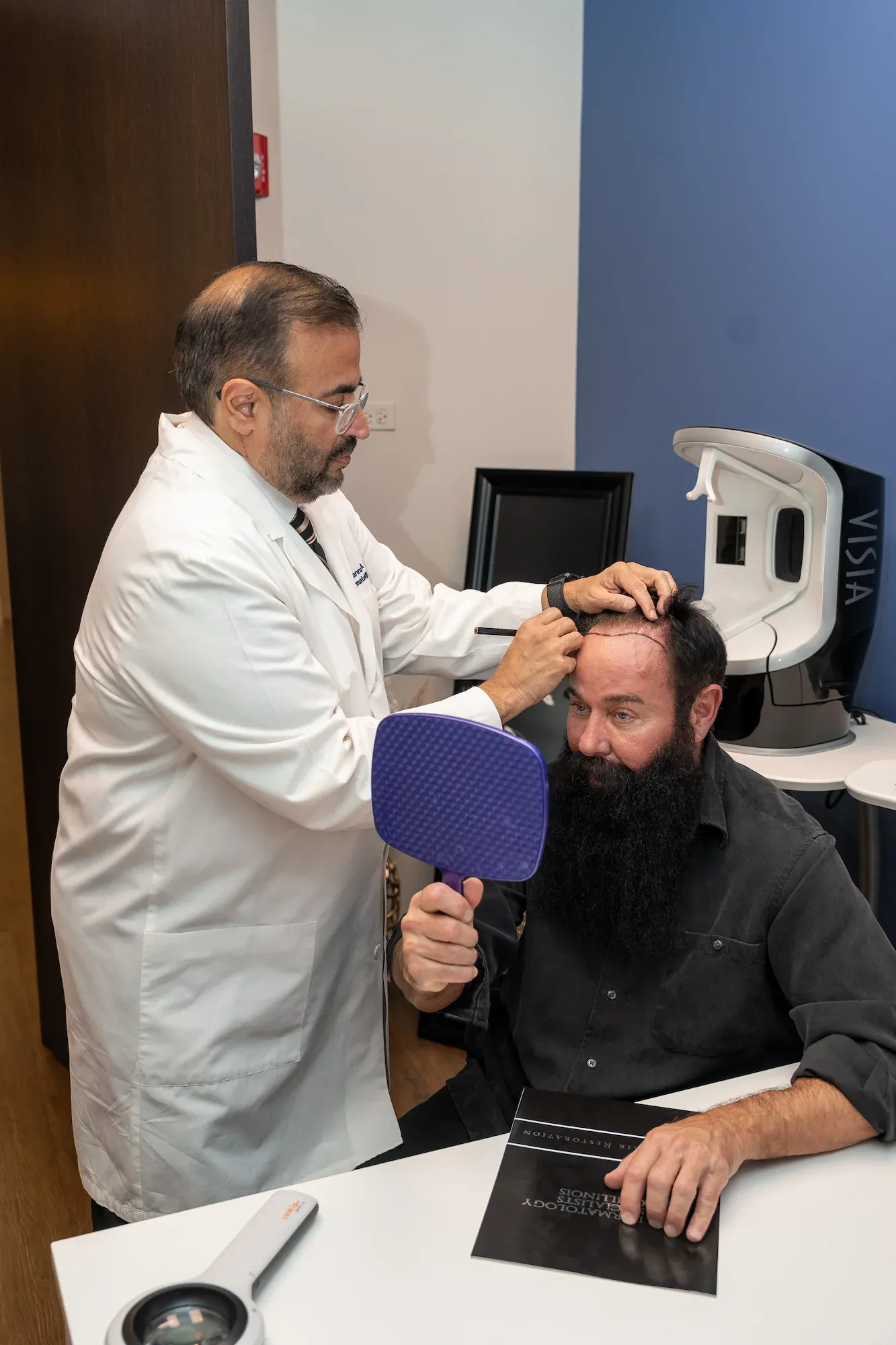
Candidacy & Considerations
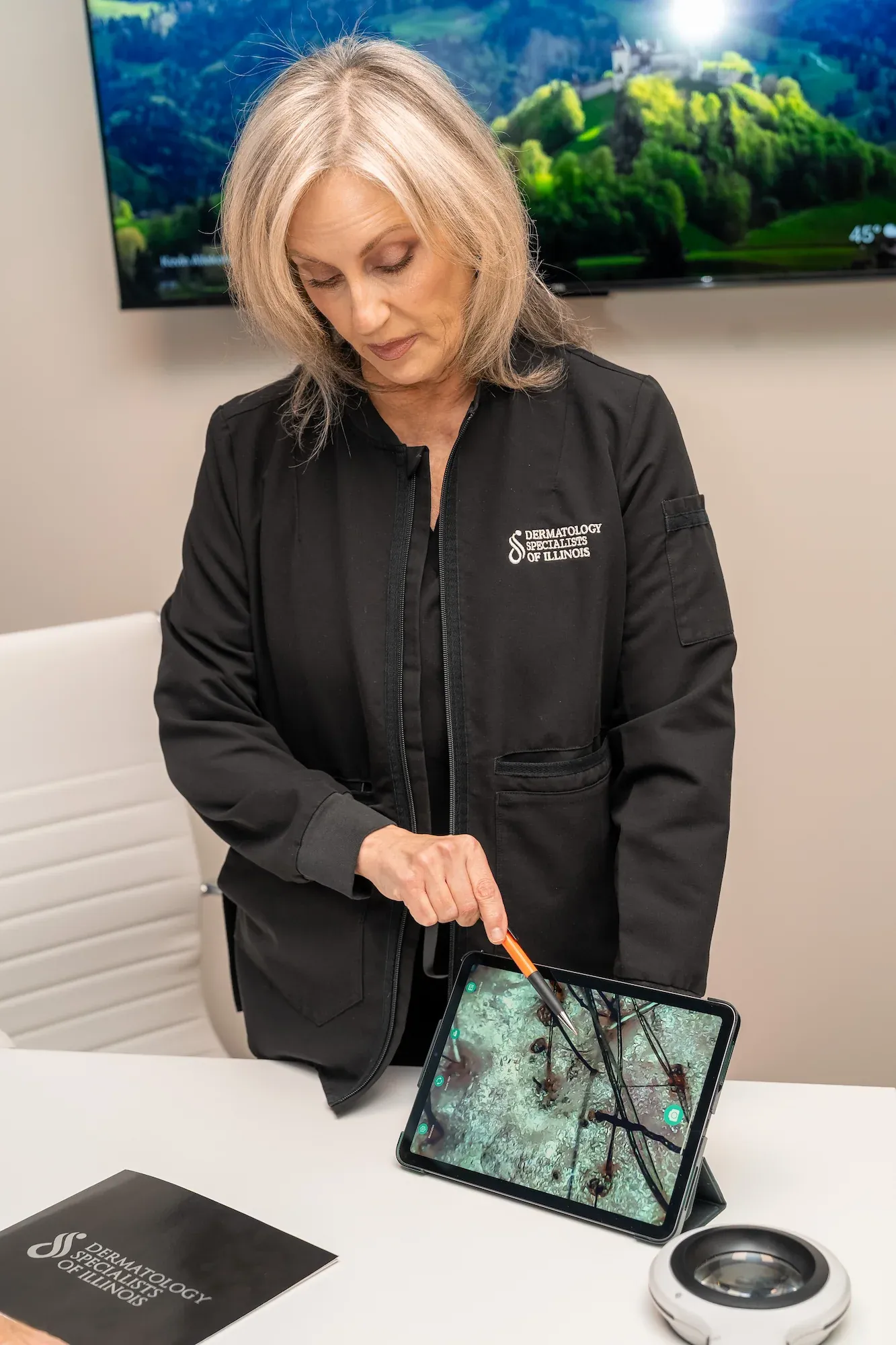
PRP hair restoration works best for individuals with early to moderate hair thinning where follicles are still present but miniaturized. During your consultation at DSI Hair, Dr. Khanna evaluates your hair loss pattern, medical history, and scalp health to determine if PRP is the right approach — alone or in combination with other treatments.
Certain medical conditions — including blood disorders and active cancer treatment — are absolute contraindications for PRP. Dr. Khanna will review your full medical profile during consultation to ensure safe, effective treatment.
Step-by-Step with Dr. Khanna
Dr. Khanna draws a small blood sample (approximately 30-60 mL) from your arm, similar to a routine lab draw.
Your blood is placed in a specialized centrifuge that separates platelet-rich plasma from red blood cells in about 10 minutes.
Dr. Khanna applies a topical anesthetic to the treatment area for comfortable, pain-minimized injections.
Using fine-gauge needles, Dr. Khanna precisely injects the concentrated PRP at the follicular level across thinning zones.
Dr. Khanna reviews aftercare instructions and schedules your next session, typically 4-6 weeks apart for the initial series.
PRP hair restoration has an excellent safety profile because it uses your own blood, eliminating risks of allergic reaction or foreign-body rejection. As a non-surgical procedure, there is no risk of scarring or infection from incisions.
Common, temporary side effects include:
Rare side effects:
Dr. Khanna uses sterile preparation protocols and precise injection technique to minimize all risks. Patients with bleeding disorders, active infections, or certain autoimmune conditions should discuss their medical history thoroughly during consultation.
PRP hair restoration is an investment in your confidence and long-term hair health. At DSI Hair, we provide transparent pricing so you can plan your treatment with clarity.
Pricing varies based on the extent of treatment area and whether PRP is combined with other therapies. PRP hair restoration is considered a cosmetic procedure and is typically not covered by insurance.
During your consultation, Dr. Khanna will assess your hair loss pattern, recommend an optimal treatment plan, and provide an exact cost estimate. DSI Hair also serves patients from Barrington, Huntley, Woodstock, Crystal Lake, and surrounding communities.
Contact DSI Hair at (844) 307-7546 to schedule your PRP consultation and learn about current pricing for your personalized treatment plan.
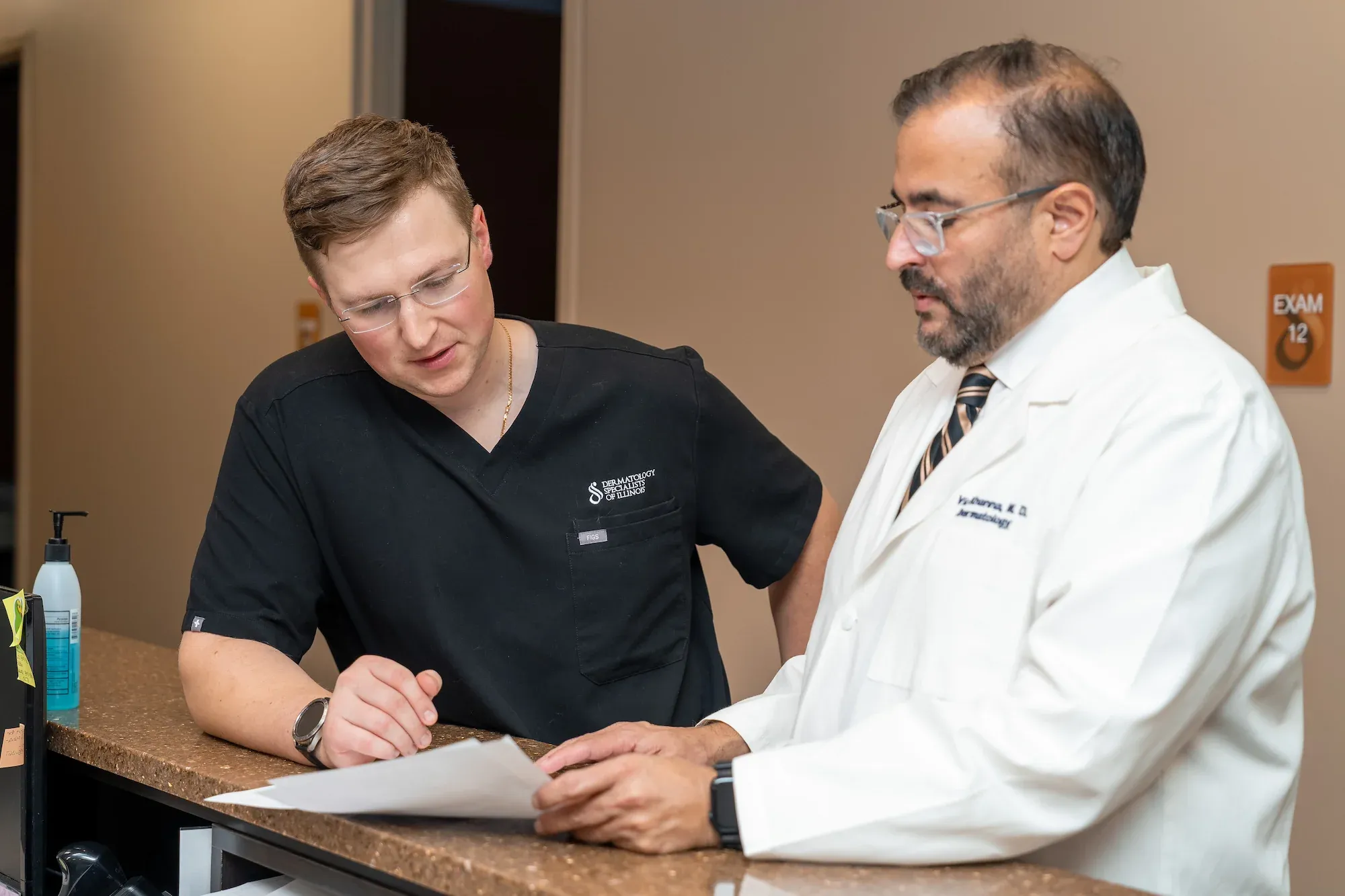
Algonquin's Hair Restoration Experts
Two board-certified dermatologists — not technicians — perform and oversee every PRP procedure
Double-spin centrifuge protocol yields higher platelet concentration for superior growth factor delivery
PRP integrated with full diagnostic workup and complementary treatments for optimal outcomes
4.8-star Google rating with 900+ reviews from real hair restoration patients
Complement your PRP therapy with these hair restoration options.
View allAnswers from Dr. Khanna
PRP hair restoration at DSI Hair typically ranges from $800-$1,200 per session. Most patients need an initial series of 3-4 treatments spaced 4-6 weeks apart, followed by maintenance sessions every 6-12 months. Dr. Khanna provides an exact cost estimate during your consultation based on your treatment area and plan.
Most patients begin with a series of 3-4 PRP sessions spaced 4-6 weeks apart to build a foundation of growth factor stimulation. After the initial series, maintenance treatments every 6-12 months help sustain results. Dr. Khanna tailors the frequency based on your response and hair loss severity.
Yes. Multiple peer-reviewed studies demonstrate that PRP increases hair count, hair thickness, and the density of growth per square centimeter. A 2019 meta-analysis of 11 randomized controlled trials found PRP significantly improved hair density compared to placebo. Results are most pronounced in early to moderate androgenetic alopecia where follicles are still viable.
Most patients describe PRP as tolerable with minimal discomfort. Dr. Khanna applies a topical anesthetic to the scalp before injections, and the fine-gauge needles used minimize sensation. The blood draw is similar to a routine lab test. Any mild tenderness after treatment typically resolves within 24-48 hours.
PRP results typically last 12-18 months after completing the initial treatment series. Because PRP stimulates your natural hair cycle rather than replacing follicles, maintenance sessions every 6-12 months are recommended to sustain and build upon your results. Many patients combine PRP with minoxidil or finasteride for longer-lasting outcomes.
PRP can reactivate miniaturized follicles that are still present but producing thin or short hairs. It increases hair shaft diameter and extends the growth phase, resulting in visibly thicker, fuller hair. However, PRP cannot regrow hair from completely dead or scarred follicles. This is why early intervention — when follicles are still viable — produces the best results.