Hair Loss in Men - Causes and Treatment in Algonquin, IL

Understanding male pattern baldness, its progression, and proven restoration options at DSI Hair

Men's Hair Loss
Affects:Over 50% of men by age 50
Primary Cause:Androgenetic alopecia (DHT-driven)
Onset:Can begin as early as late teens
Treatments Available:Hair transplant, ARTAS, PRP, finasteride

Understanding Hair Loss in Men

Androgenetic Alopecia Affects Millions of Men Worldwide

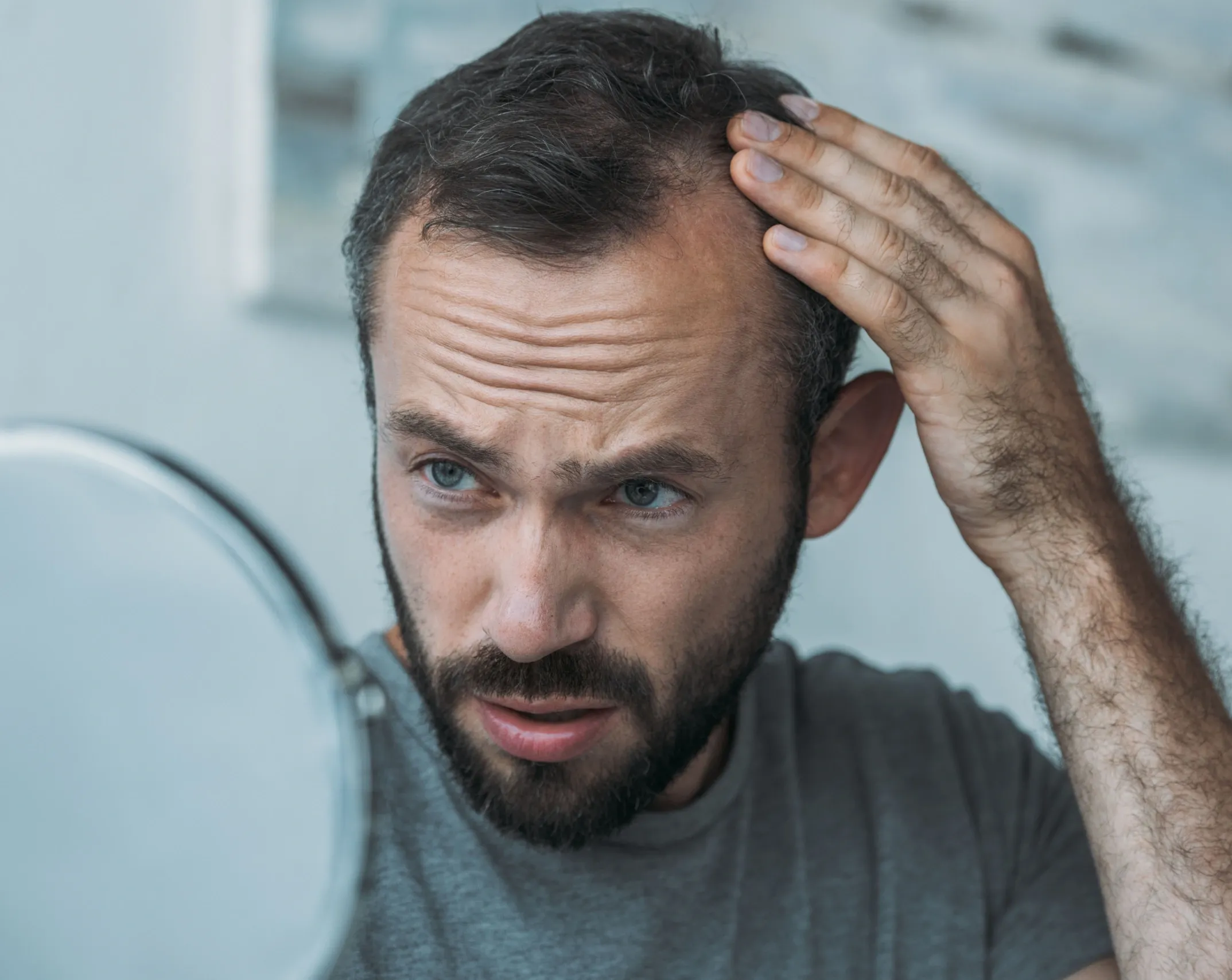
Hair loss in men is one of the most common dermatological conditions, affecting approximately 50 million men in the United States alone. Known clinically as androgenetic alopecia, male pattern baldness is a progressive condition driven by genetic sensitivity to dihydrotestosterone (DHT) -- a hormone that gradually miniaturizes hair follicles along the hairline and crown. At DSI Hair in Algonquin, IL, Dr. Vic Khanna and Dr. Lauren Boshnick provide comprehensive diagnostic evaluations and evidence-based treatments for men experiencing hair loss at every stage. Whether you are noticing early thinning or significant recession, understanding the underlying causes is the first step toward effective hair transplant for male pattern baldness or medical intervention.

What Causes Hair Loss in Men?

Genetics, Hormones, and Lifestyle Factors Behind Male Pattern Baldness

The primary driver of hair loss in men is androgenetic alopecia, a hereditary condition where hair follicles become increasingly sensitive to dihydrotestosterone (DHT). DHT is a byproduct of testosterone converted by the enzyme 5-alpha reductase. When DHT binds to androgen receptors in genetically susceptible follicles, it triggers a process called follicular miniaturization -- each growth cycle produces thinner, shorter, and less pigmented hairs until the follicle eventually stops producing visible hair altogether.

While genetics account for approximately 80% of male pattern baldness susceptibility, other factors can accelerate or worsen hair loss. Chronic stress elevates cortisol levels, which can push hair follicles into the telogen (resting) phase prematurely. Nutritional deficiencies -- particularly iron, zinc, biotin, and vitamin D -- compromise the hair growth cycle. Medical conditions including thyroid disorders, autoimmune diseases, and scalp infections also contribute. Lifestyle factors such as smoking, which restricts blood flow to follicles, and certain medications including blood thinners and antidepressants can exacerbate thinning. A board-certified dermatologist can help determine which combination of factors is contributing to your specific pattern of loss and recommend a targeted treatment plan, which may include finasteride prescription for male hair loss or other interventions.

The Norwood Scale: Staging Male Pattern Baldness

How Dermatologists Classify Hair Loss Progression in Men

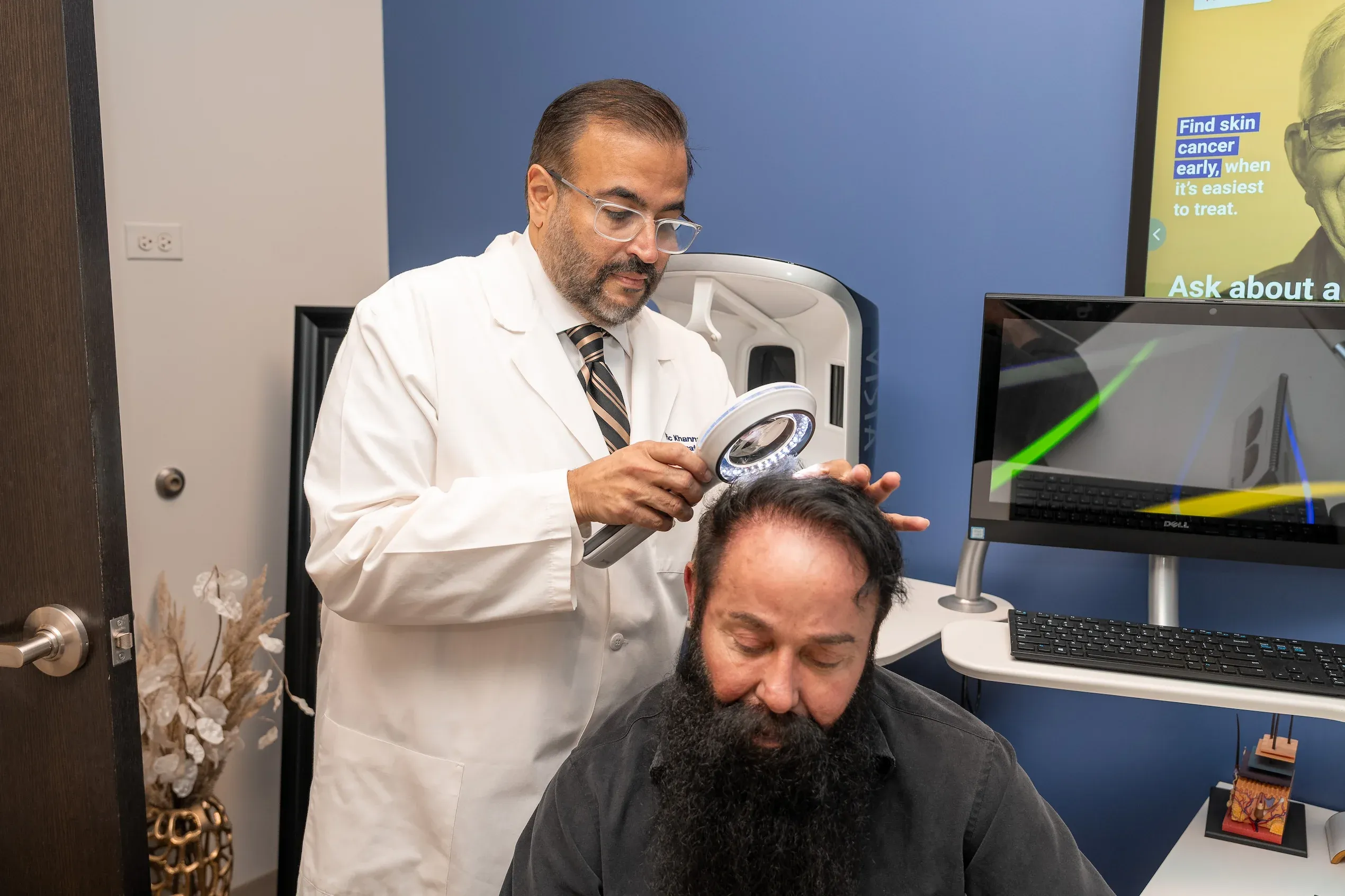
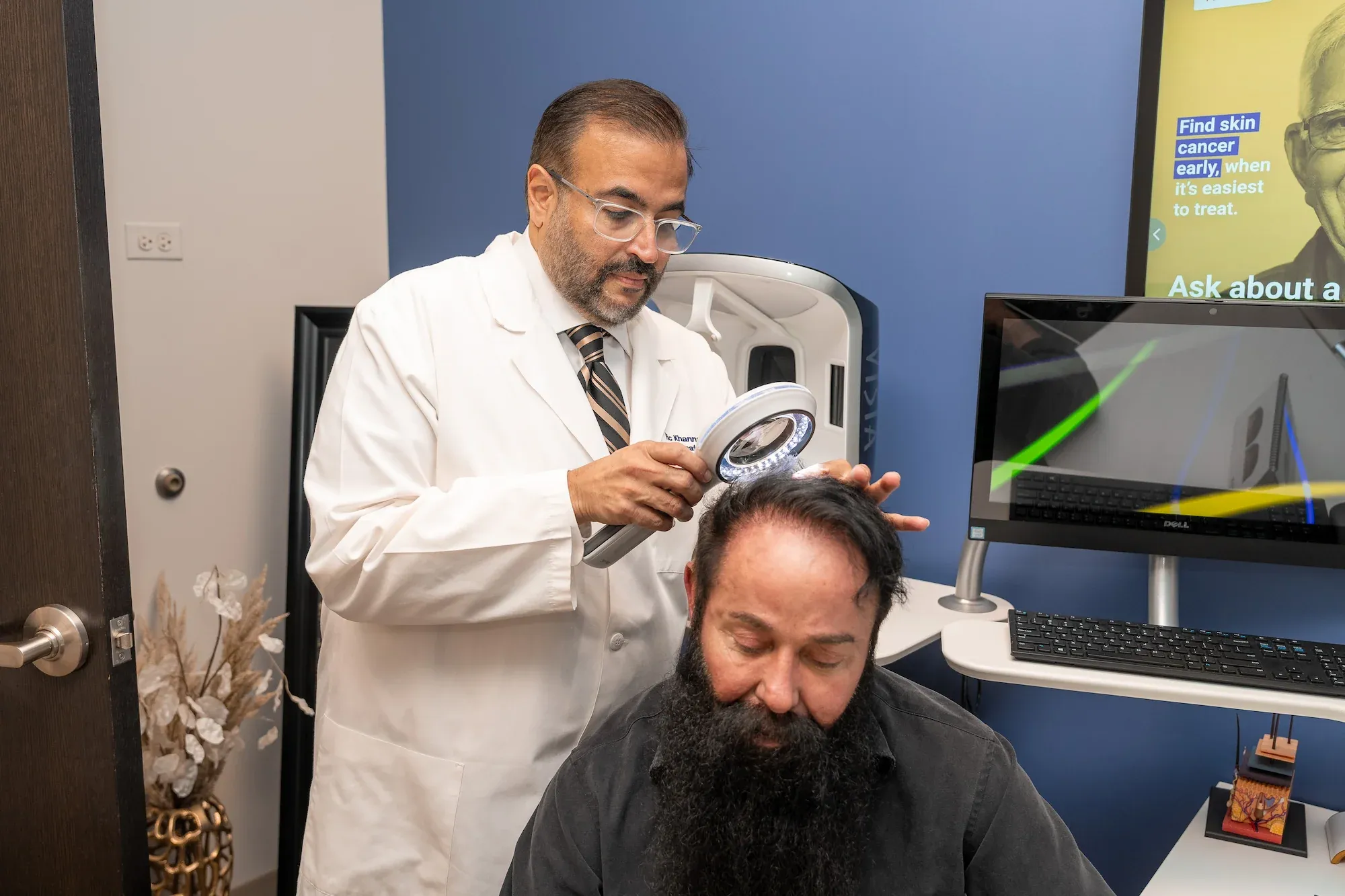
The Hamilton-Norwood scale is the standard classification system used by dermatologists to assess the severity of male pattern baldness. It ranges from Stage I (no significant hair loss) to Stage VII (extensive baldness with only a horseshoe-shaped band of hair remaining). Stages II and III typically involve recession at the temples and early frontal thinning. Stages IV and V show significant vertex (crown) thinning with expanding frontal recession. Understanding your Norwood stage is critical because treatment effectiveness varies by progression -- early-stage patients (II-III) respond exceptionally well to medical therapies like finasteride and PRP, while advanced stages (V-VII) often benefit most from surgical restoration with ARTAS robotic hair transplant for men. Dr. Khanna evaluates each patient's Norwood classification, donor hair density, and hair caliber to develop a personalized restoration strategy.

Root Causes

Key Factors Behind Male Hair Loss

The Biological and Environmental Contributors to Androgenetic Alopecia

DHT Sensitivity

Genetically susceptible hair follicles shrink when exposed to dihydrotestosterone, progressively producing thinner, shorter hairs until growth ceases entirely.

Hereditary Predisposition

Male pattern baldness is polygenic, inherited from both maternal and paternal sides. Family history remains the strongest predictor of onset and severity.

Hormonal Changes

Fluctuations in testosterone and DHT levels, particularly during puberty and aging, accelerate follicular miniaturization in predisposed individuals.

Chronic Stress

Prolonged physical or emotional stress triggers telogen effluvium, pushing large numbers of follicles into the resting phase simultaneously and causing diffuse shedding.

Nutritional Deficiencies

Insufficient iron, zinc, vitamin D, and biotin impair keratin production and disrupt the anagen growth phase, compounding genetic hair loss.

Scalp Inflammation

Conditions like seborrheic dermatitis or folliculitis create a hostile scalp environment that damages follicles and can accelerate pattern baldness progression.

Why Choose DSI Hair for Men's Hair Loss Treatment

Board-Certified Dermatologists Specializing in Hair Restoration

  • Dual Board-Certified Dermatologists
  • ARTAS Robotic Technology
  • Comprehensive Treatment Menu
  • 972+ Five-Star Reviews

Men's Hair Loss Treatment Options at DSI Hair

Compare Our Restoration Treatments by Approach, Timeline, and Maintenance

Treatment Best For Session Time Results Timeline Maintenance
Hair Transplant Norwood III-VII with good donor density 4-8 hours 6-12 months for full growth Permanent; no ongoing maintenance
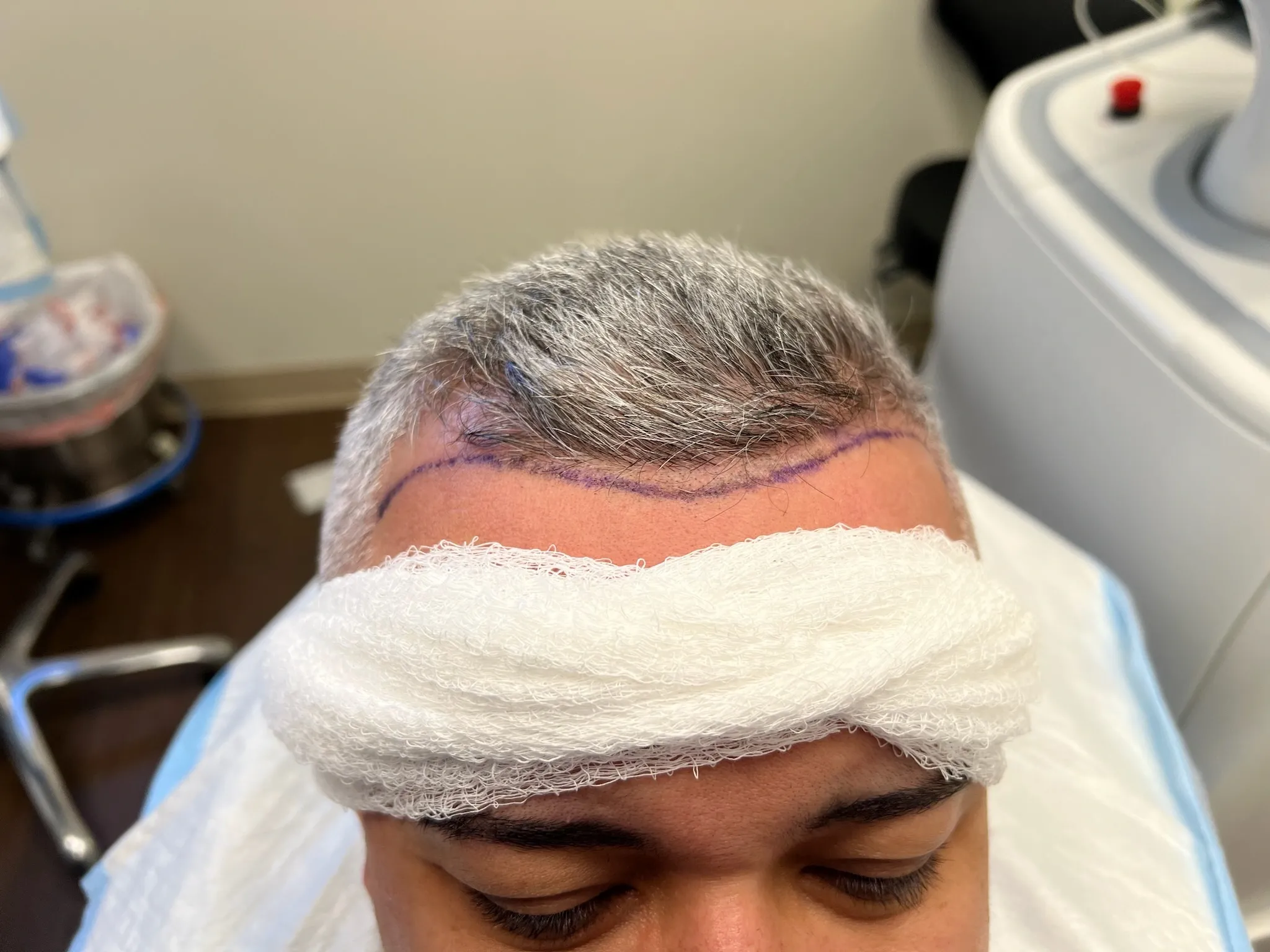
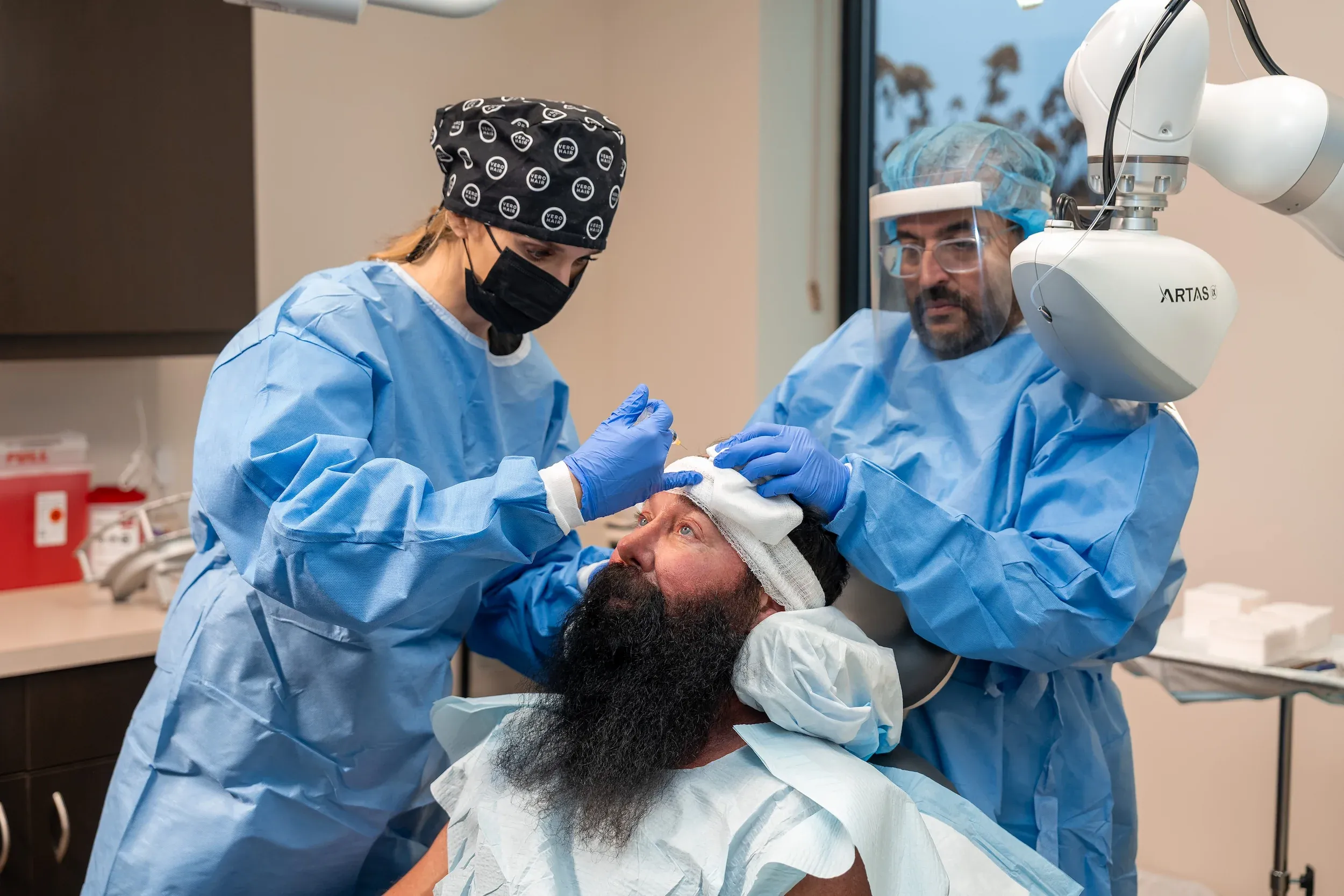
ARTAS Robotic Hair Transplant Precision FUE with minimal scarring 4-6 hours 6-12 months for full growth Permanent; no ongoing maintenance
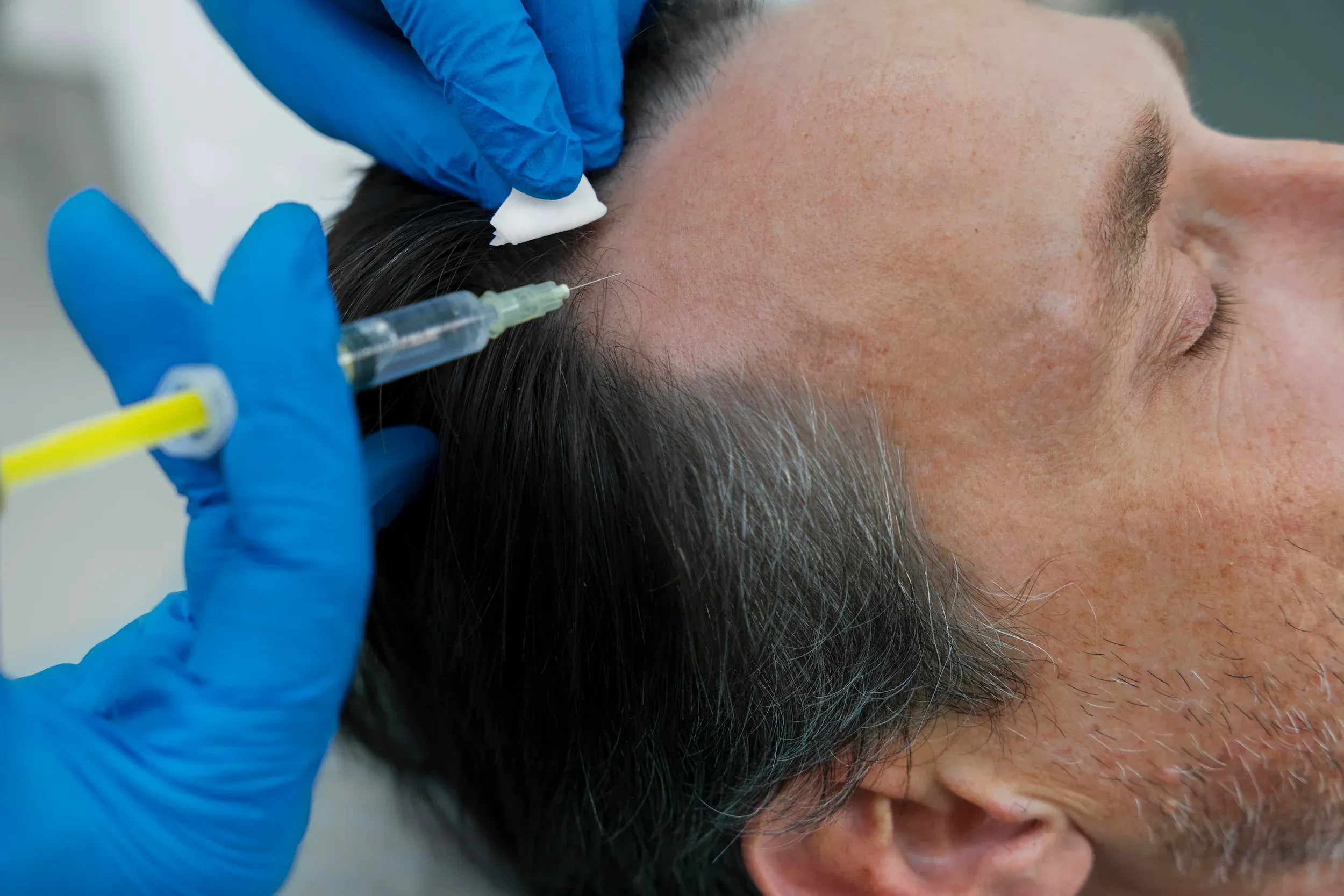
PRP Hair Restoration Early thinning (Norwood II-IV), post-transplant healing 30-45 minutes 3-6 months for visible improvement Every 3-4 months initially, then biannually
Finasteride (Propecia) DHT-driven hair loss (Norwood II-V) Daily oral medication 3-6 months to slow loss, 12 months for regrowth Continuous daily use required

Signs You May Be Experiencing Male Pattern Baldness

Recognizing Early and Progressive Symptoms of Androgenetic Alopecia

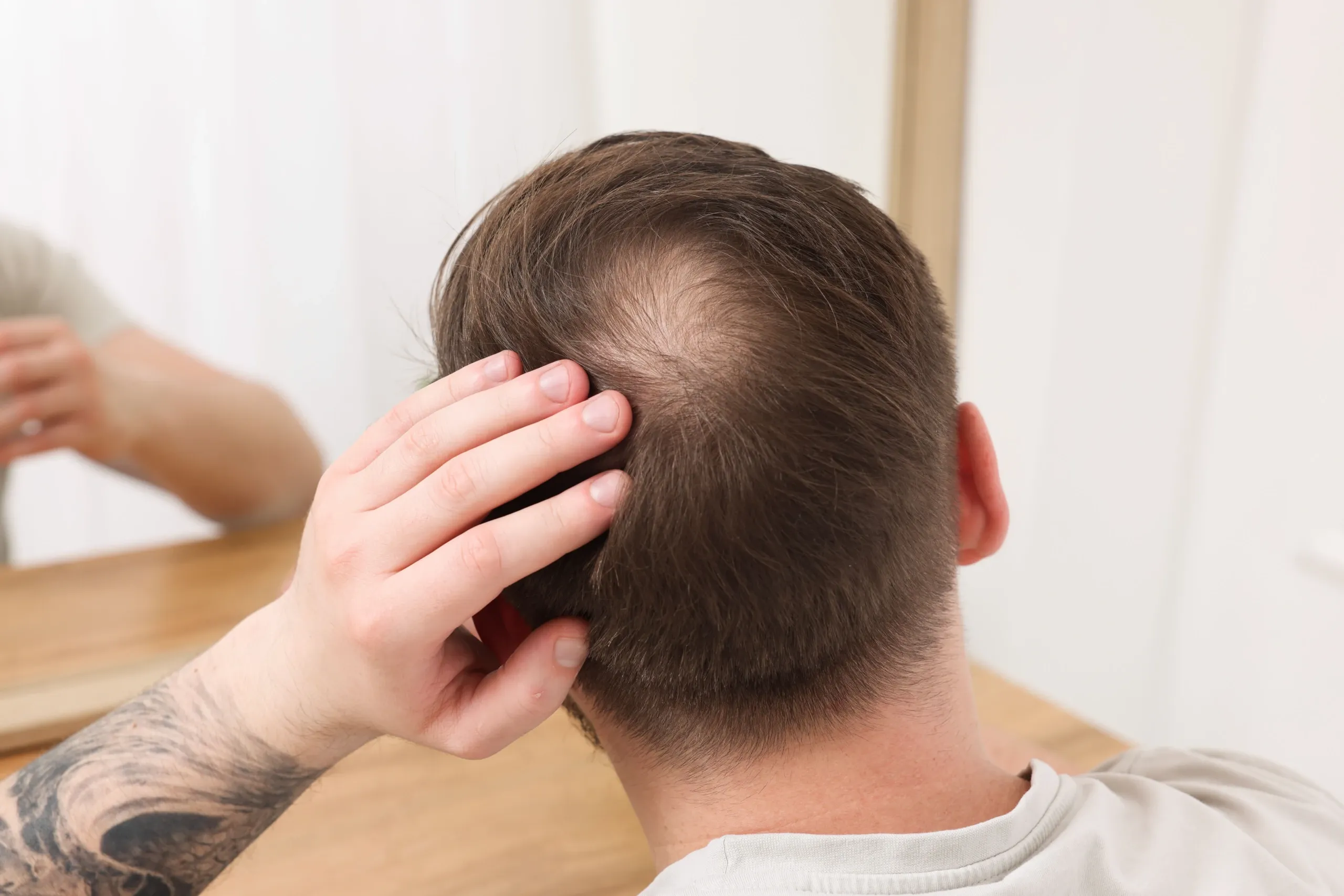
  • Receding Temples
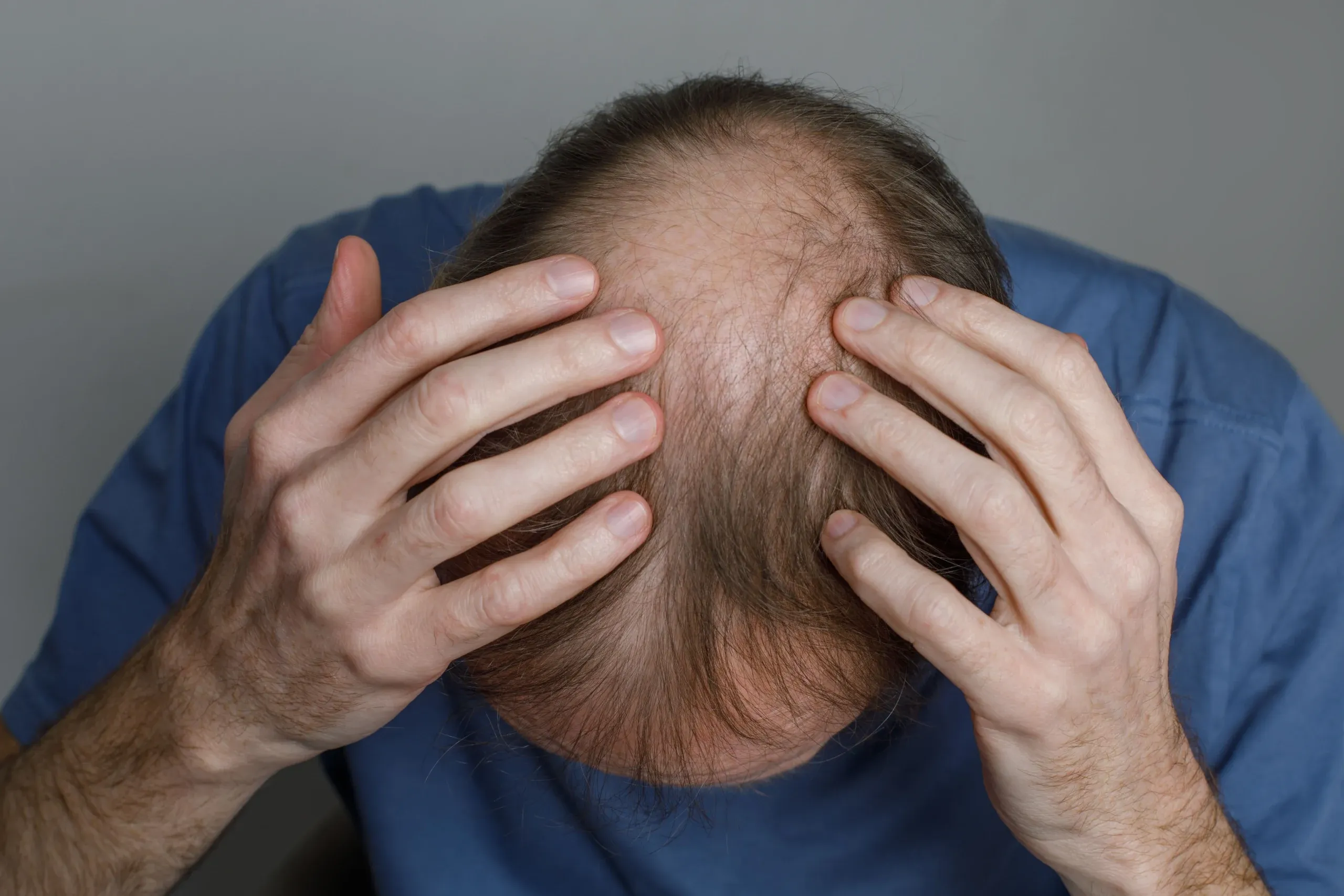
  • Crown Thinning
  • Increased Shedding
  • Miniaturized Hairs
  • Widening Part Line
  • Family History

Frequently Asked Questions About Hair Loss in Men

Expert Answers from DSI Hair's Board-Certified Dermatologists

01 What causes hair loss in men?

The most common cause of hair loss in men is androgenetic alopecia, or male pattern baldness. This genetic condition makes certain hair follicles sensitive to dihydrotestosterone (DHT), a hormone derived from testosterone. DHT causes affected follicles to progressively shrink, producing thinner hairs until growth stops. Other contributing factors include chronic stress, nutritional deficiencies, thyroid disorders, autoimmune conditions, and certain medications. A thorough evaluation by a board-certified dermatologist can identify which factors are contributing to your specific hair loss pattern.

02 At what age do men start losing hair?

Male pattern baldness can begin as early as the late teens, though it is more commonly noticed in the mid-20s to early 30s. Approximately 25% of men who experience androgenetic alopecia begin seeing signs before age 21. By age 35, about two-thirds of men have some degree of appreciable hair loss, and by age 50, roughly 85% of men have significantly thinner hair. The earlier hair loss begins, the more extensive it tends to become without treatment -- which is why early intervention with therapies like finasteride or PRP can be particularly effective.

03 Can male pattern baldness be reversed?

Male pattern baldness cannot be fully reversed in the traditional sense, but it can be effectively treated and, in many cases, significantly improved. Medical therapies like finasteride block DHT production and can halt further loss and stimulate partial regrowth. PRP therapy uses your own platelet-rich plasma to reactivate dormant follicles. For areas where follicles have been permanently lost, hair transplant surgery -- particularly with ARTAS robotic precision -- can restore natural hair growth using donor follicles from the back and sides of the scalp. The key is starting treatment before follicles are irreversibly miniaturized.

04 What is the best treatment for men's hair loss?

The best treatment depends on your stage of hair loss, its underlying cause, and your personal goals. For early-stage thinning (Norwood II-III), finasteride combined with PRP therapy often produces excellent results. For moderate to advanced loss (Norwood IV-VII), hair transplant surgery provides the most dramatic and permanent improvement. Many patients at DSI Hair benefit from a combination approach -- surgical restoration supplemented with ongoing medical maintenance to protect existing hair. Dr. Khanna and Dr. Boshnick develop individualized plans after a comprehensive scalp evaluation and health history review.

05 Is hair loss hereditary?

Yes, heredity is the primary factor in male pattern baldness. Androgenetic alopecia is a polygenic condition, meaning multiple genes from both your mother's and father's sides contribute to your susceptibility. While the androgen receptor gene on the X chromosome (inherited from your mother) plays a significant role, paternal genes are also important. Having a bald father or maternal grandfather increases your risk substantially, but hair loss can skip generations. Genetic predisposition determines which follicles are sensitive to DHT and how aggressively miniaturization progresses.

06 What is the Norwood scale?

The Norwood scale (formally the Hamilton-Norwood scale) is the standard classification system dermatologists use to measure the extent of male pattern baldness. It identifies seven stages: Stage I shows no significant loss; Stage II shows minor recession at the temples; Stage III marks the clinical threshold for baldness with deeper temporal recession; Stage IV shows significant frontal and vertex loss; Stages V-VII represent progressively extensive baldness. At DSI Hair, Dr. Khanna uses the Norwood scale during consultations to accurately assess your current stage and recommend the most appropriate treatment, whether medical therapy, surgical restoration, or a combination approach.

Location2430 Esplanade Drive, Suite B
Algonquin, IL, 60102
New Patients(844) 307-7546
Existing Patients(847) 458-7546

Schedule Your Consultation

Scientific References