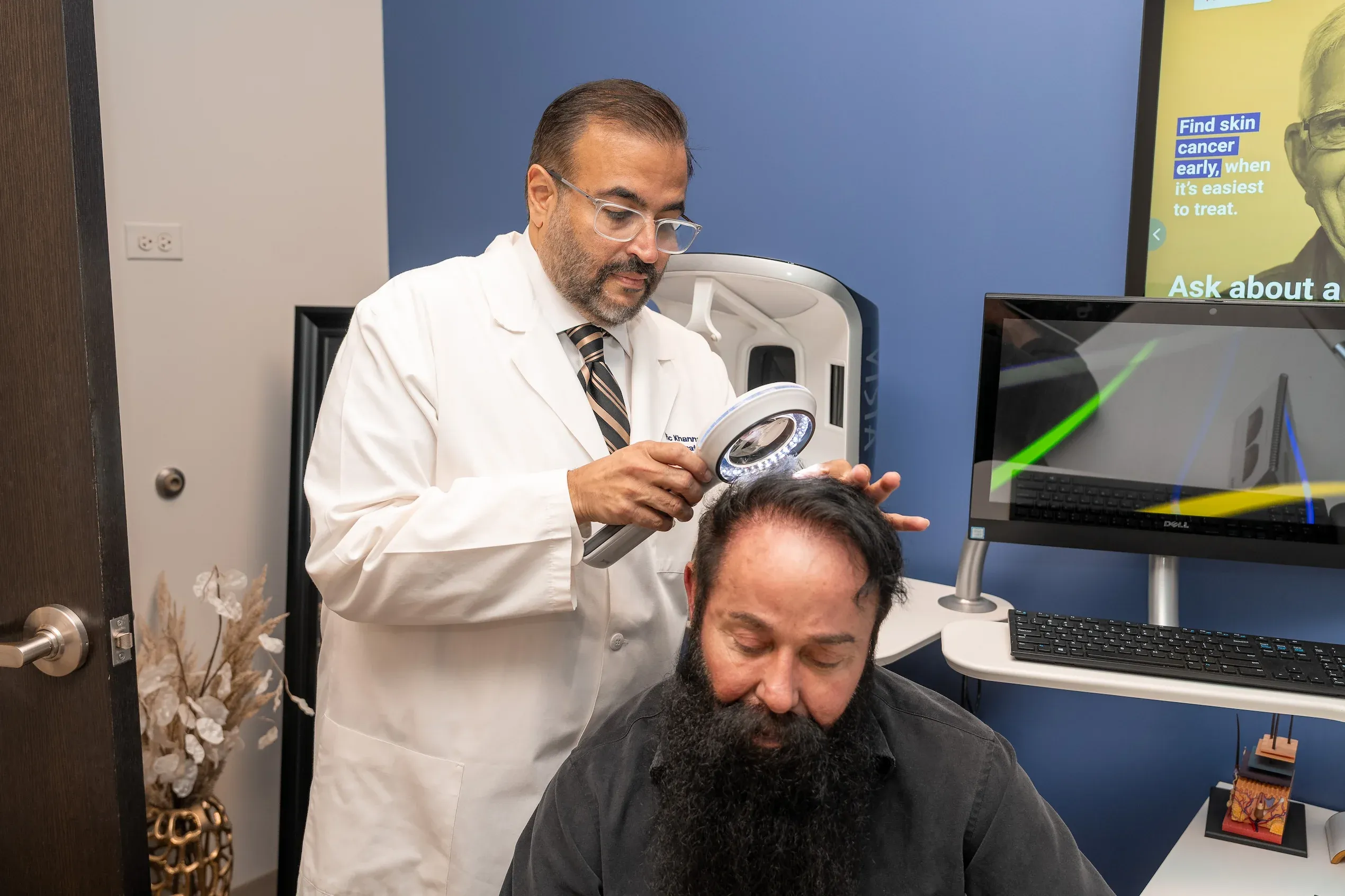
Consultation
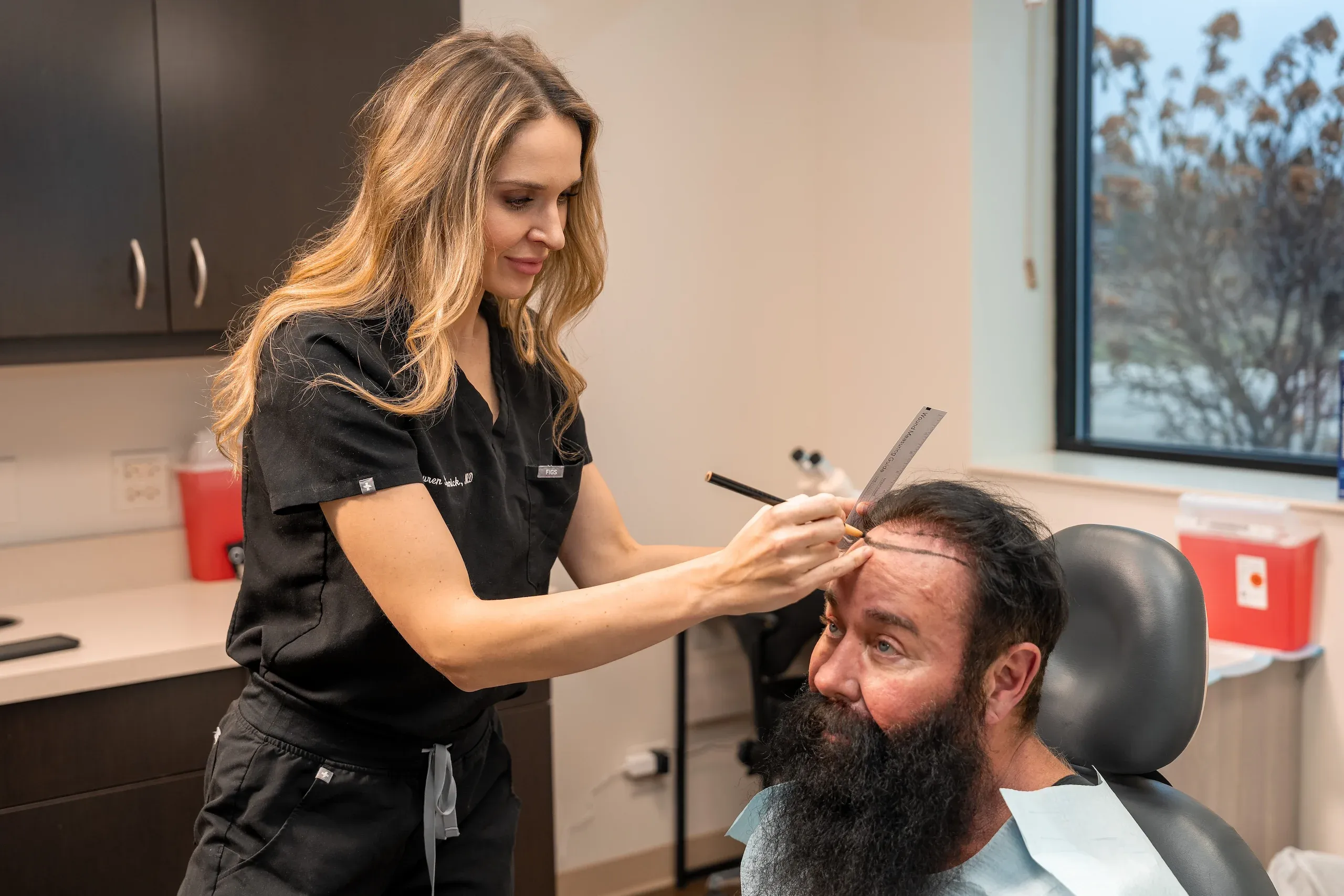
Dr. Khanna examines your scalp with dermoscopy, classifies your hair loss on the Norwood scale, and reviews your medical history to confirm finasteride candidacy.

Clinically Proven DHT Blocker
Understanding DHT-Driven Loss
Male pattern baldness — androgenetic alopecia — is a progressive condition driven by dihydrotestosterone (DHT). This hormone miniaturizes hair follicles over time, shortening the growth cycle until follicles produce only fine, vellus hairs or stop producing hair entirely. Without intervention, the Norwood scale advances predictably: receding hairline gives way to crown thinning, eventually leaving only a horseshoe-shaped fringe of permanent hair.
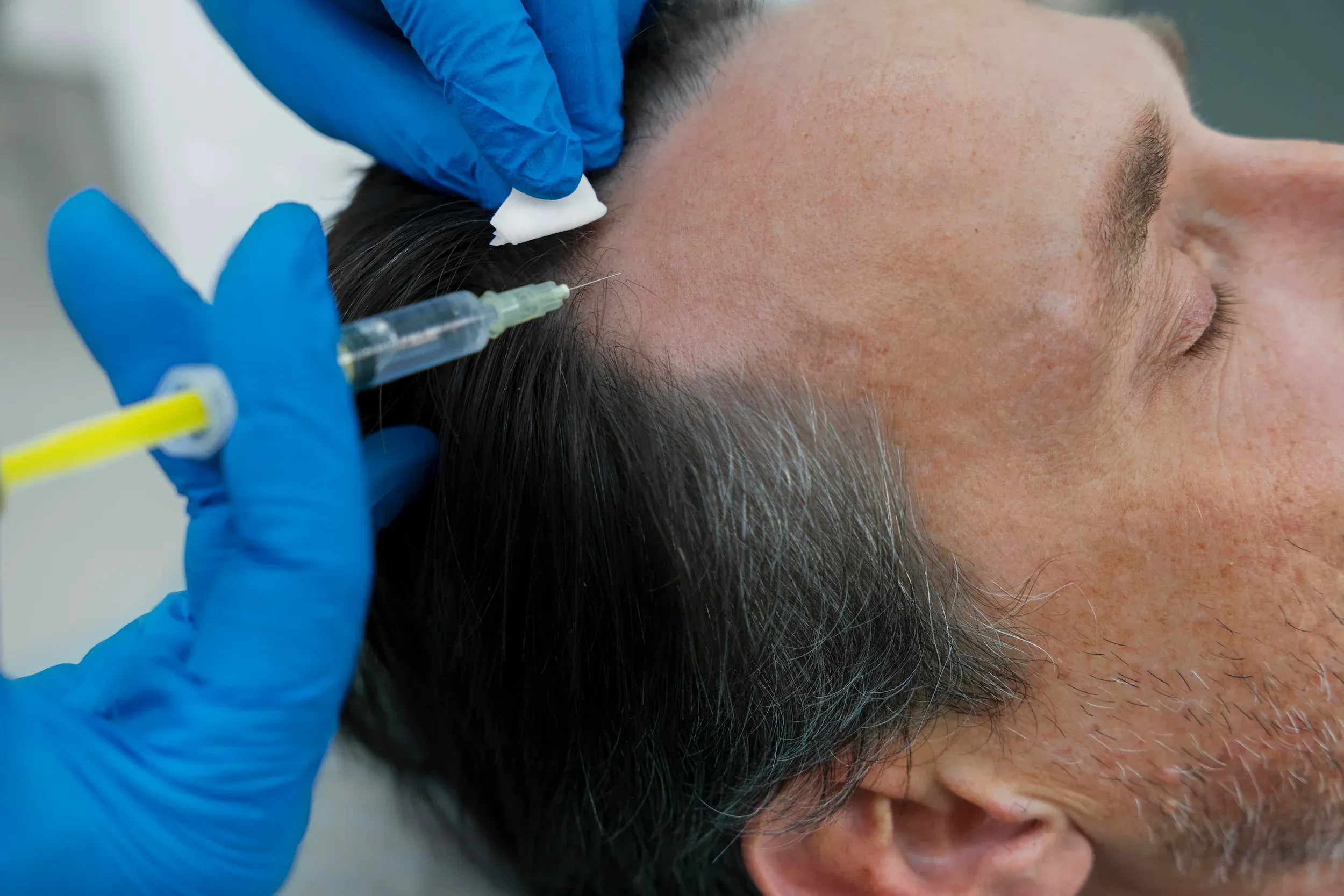
Finasteride targets the root cause by blocking the enzyme 5-alpha reductase type II, which converts testosterone into DHT. By reducing scalp DHT levels by approximately 60-70%, finasteride halts miniaturization and allows affected follicles to recover. Clinical trials demonstrate that 83% of men maintain their existing hair, while 66% experience measurable regrowth within two years. As part of a comprehensive hair loss treatment plan at DSI Hair, finasteride provides the pharmaceutical foundation for lasting results.
FDA-Approved 5-Alpha Reductase Inhibitor
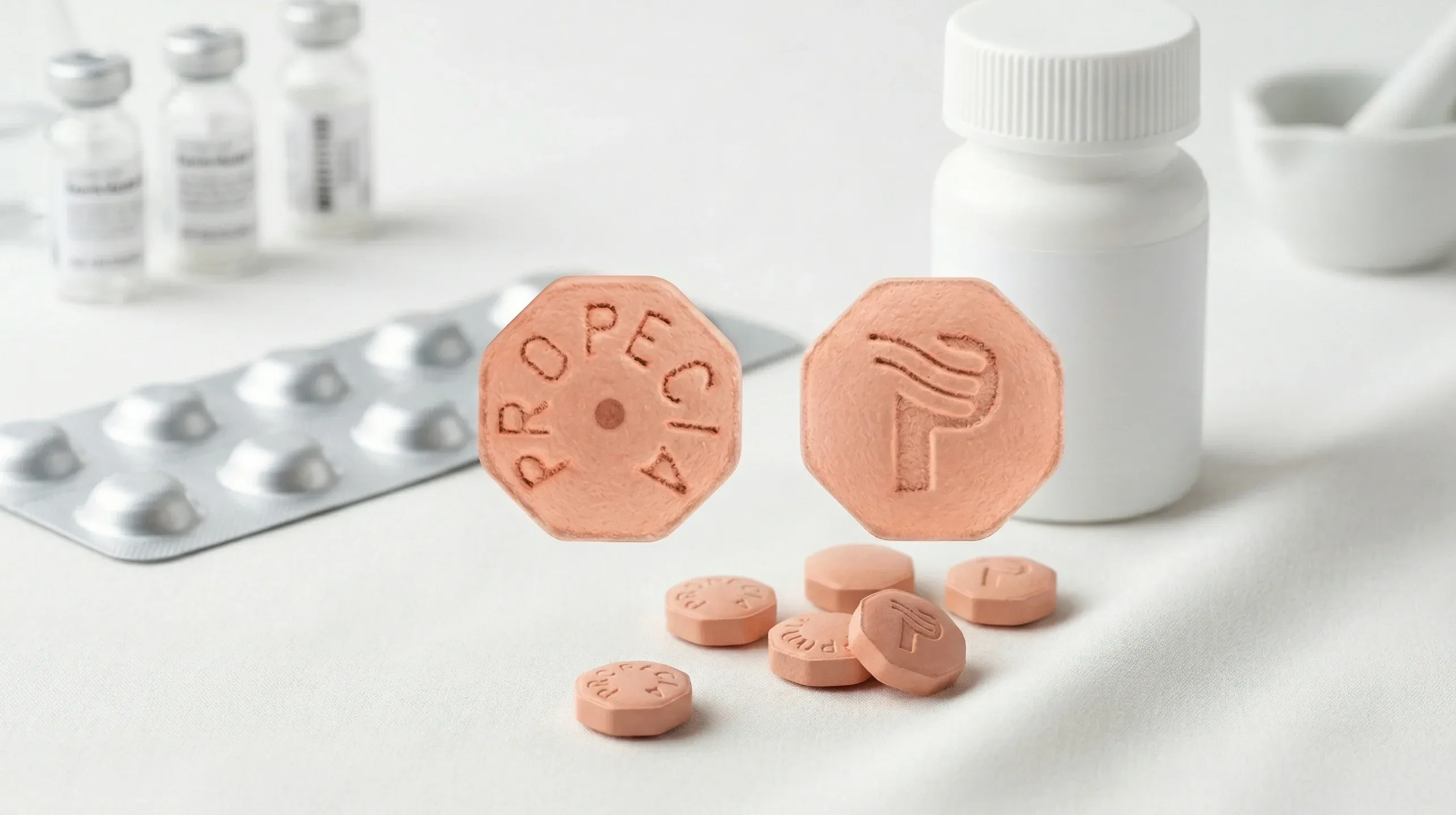
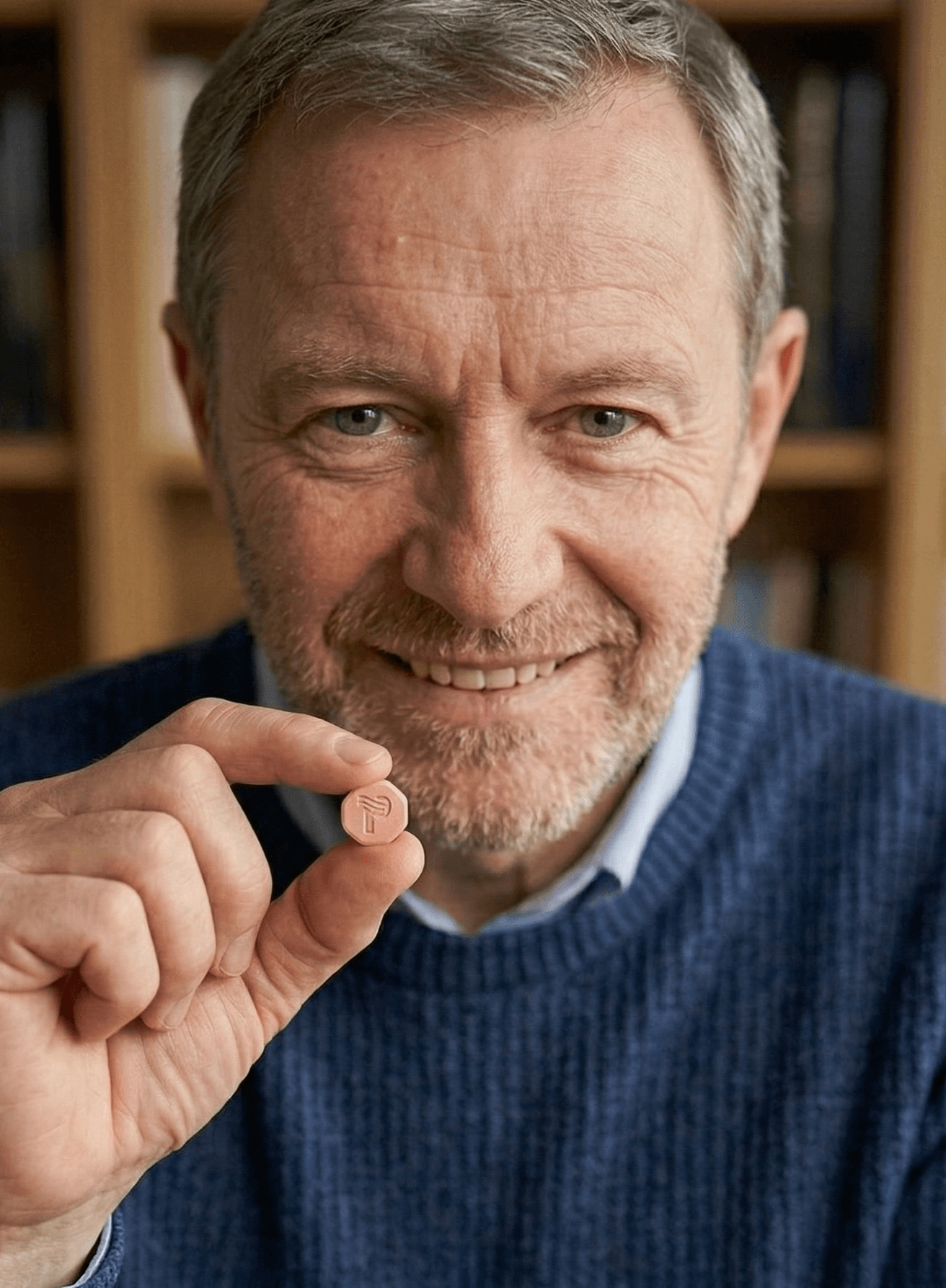
Finasteride is an FDA-approved oral medication (brand name Propecia) that treats male pattern baldness by selectively inhibiting the 5-alpha reductase type II enzyme. This enzyme is responsible for converting testosterone into dihydrotestosterone (DHT) — the androgen directly responsible for follicular miniaturization in genetically susceptible men. By reducing circulating DHT levels by approximately 60-70% and scalp DHT by up to 64%, finasteride effectively slows and often reverses the hair loss process.
Originally developed as a 5mg dose (Proscar) for benign prostatic hyperplasia, researchers discovered its hair-preserving properties during clinical trials. The FDA approved the 1mg dose specifically for androgenetic alopecia in 1997. Unlike topical treatments that work on blood flow or follicle stimulation, finasteride addresses the hormonal mechanism driving hair loss at its source. The medication is most effective in the vertex and mid-scalp regions, with meaningful but somewhat reduced efficacy along the frontal hairline. When combined with minoxidil, studies show synergistic results that exceed either treatment alone.
Targeting DHT-Driven Hair Loss
Addresses the primary hormonal cause of androgenetic alopecia in men
Slows frontal recession by reducing DHT damage to temporal follicles
Most effective region for regrowth — 66% of men see improvement at vertex
Best outcomes when started at Norwood II-IV before follicles are permanently lost
Stabilizes progressive miniaturization across broader scalp areas
Significantly slows or halts ongoing hair loss by blocking DHT, helping maintain existing density long-term
Proven Clinical Results
83% of men maintain hair and 66% achieve regrowth in two-year clinical trials
Reduces scalp DHT by up to 64%, addressing the hormonal driver of hair loss
One small tablet per day — no messy topical applications or clinic visits required
Combines with minoxidil and PRP for enhanced results exceeding monotherapy
Over 25 years of clinical data and millions of prescriptions worldwide
Compare Your Options
| Treatment | Mechanism | Time | Results | Duration | Downtime | Best For |
|---|---|---|---|---|---|---|
| Finasteride (1mg) | Blocks DHT via 5-alpha reductase type II inhibition | 3-12 months | 83% maintenance, 66% regrowth | Ongoing daily use | None | Men with early to moderate androgenetic alopecia |
| Minoxidil (Topical) | Vasodilation increases follicular blood flow and prolongs anagen phase | 4-6 months | 30-40% increase in hair count | Ongoing twice-daily use | None | Men and women with diffuse thinning |
| PRP Hair Restoration | Platelet growth factors stimulate dormant follicles and angiogenesis | 3-6 months per series | Improved density and thickness in 70%+ patients | 3-4 sessions, then maintenance | Mild scalp tenderness 24-48 hrs | Patients seeking non-pharmaceutical enhancement |
Finasteride
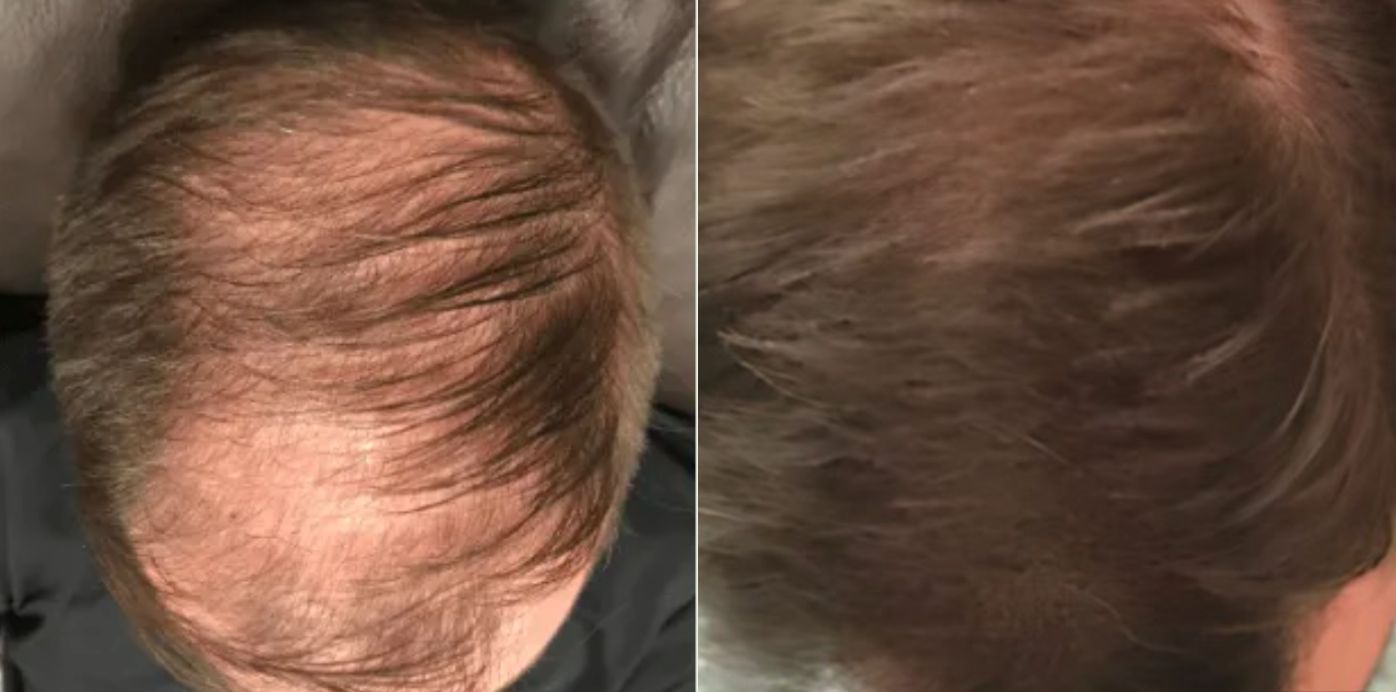
Finasteride results vary by individual, but clinical studies consistently show significant improvement. Most patients at DSI Hair notice reduced shedding within 3 months and visible regrowth by 6-12 months. Peak results typically appear at 1-2 years of consistent daily use. Our board-certified dermatologists document your progress with standardized photography at each follow-up visit.
View All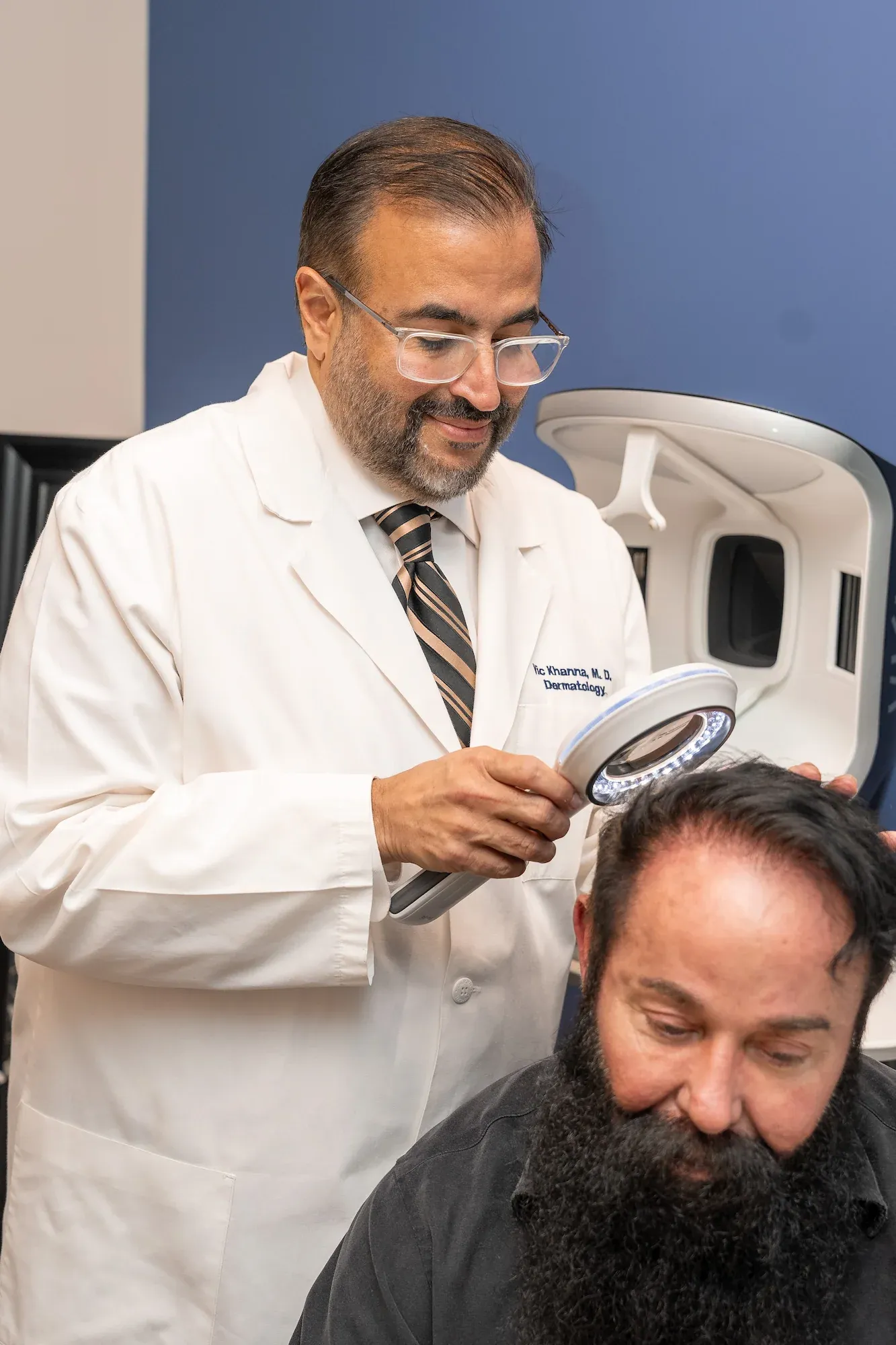
Candidacy and Contraindications
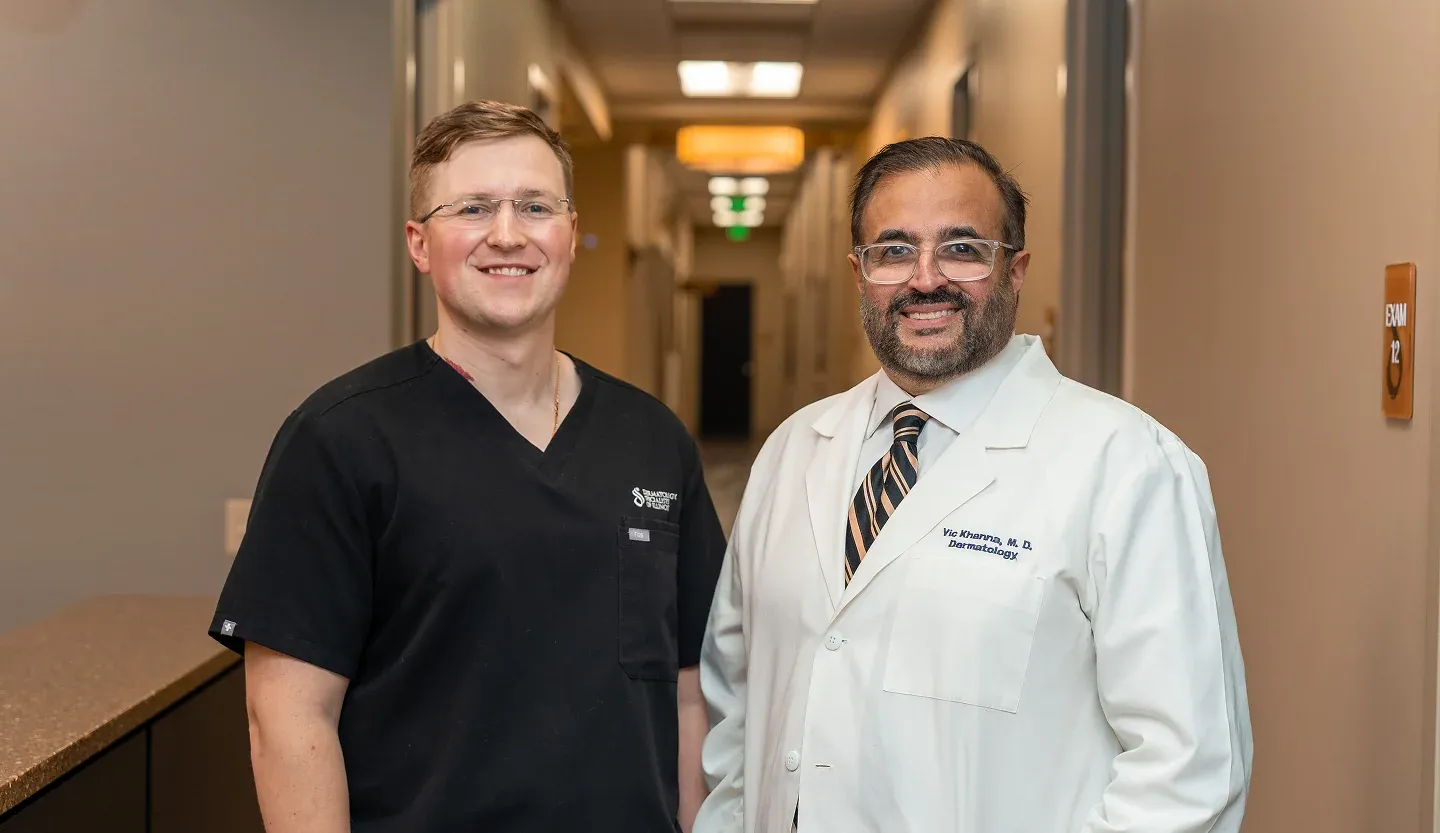
Finasteride is most effective when prescribed to the right patient at the right stage of hair loss. During your consultation at DSI Hair, Dr. Khanna or Dr. Boshnick will evaluate your Norwood classification, family history, and overall health to determine whether finasteride is your optimal treatment path.
All finasteride prescriptions at DSI Hair include baseline lab work when indicated and regular monitoring to ensure safety and efficacy throughout your treatment.
Step-by-Step with Your Dermatologist
Dr. Khanna examines your scalp with dermoscopy, classifies your hair loss on the Norwood scale, and reviews your medical history to confirm finasteride candidacy.
Dr. Khanna prescribes the FDA-approved 1mg daily dose, discusses potential side effects, and orders baseline lab work if indicated by your health profile.
Dr. Boshnick may recommend combining finasteride with minoxidil or PRP therapy for a multi-modal approach tailored to your specific loss pattern.
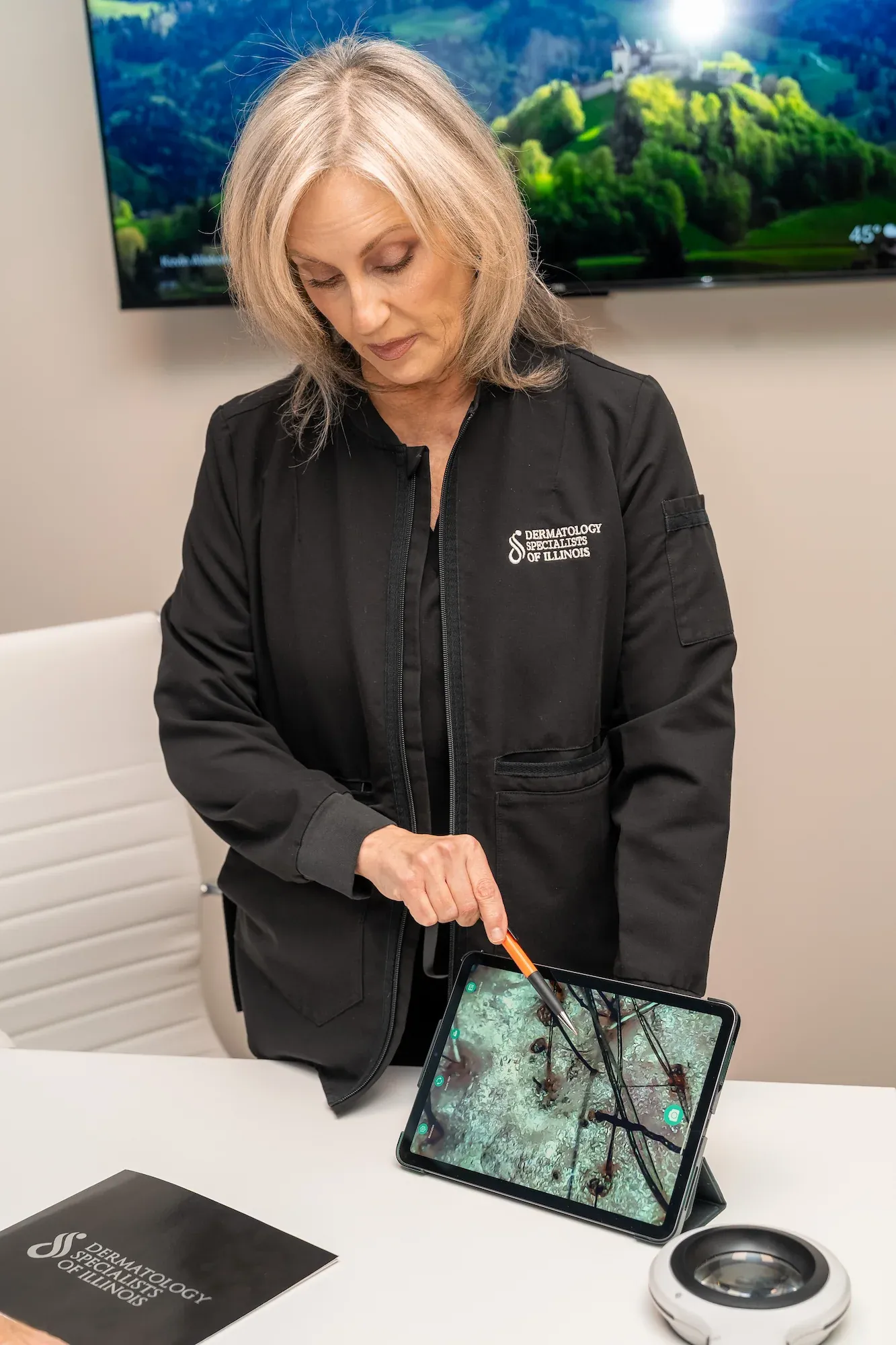
Dr. Khanna schedules standardized photography and dermoscopy check-ins at 3, 6, and 12 months to track your follicular response and adjust treatment.
Finasteride has been prescribed to millions of men worldwide since 1997, with a well-characterized safety profile supported by over two decades of post-market surveillance. The most commonly reported side effects occur in approximately 2% of men and include decreased libido, erectile difficulty, and reduced ejaculate volume. These effects are typically mild and reversible upon discontinuation.
In the pivotal clinical trial (PLESS study), the difference in sexual side effect rates between finasteride and placebo was less than 2 percentage points. The nocebo effect — where awareness of potential side effects increases their perceived occurrence — has been documented in multiple studies. A 2019 meta-analysis confirmed that side effect rates are significantly higher in patients who were informed of risks versus those who were not.
Rare but reported effects include breast tenderness or enlargement (gynecomastia) in less than 0.5% of patients, and mood changes. Men should report any persistent symptoms to Dr. Khanna promptly. Women who are or may become pregnant must not handle crushed or broken finasteride tablets due to risk of birth defects in male fetuses. PSA levels may decrease by approximately 50% — inform all healthcare providers that you take finasteride before prostate screening.
Finasteride is one of the most cost-effective hair loss treatments available. As a generic medication — the Propecia patent expired in 2013 — prices have decreased significantly, making long-term treatment accessible for most patients.
At DSI Hair, your finasteride cost includes the initial dermatology consultation with scalp examination and Norwood classification, your personalized prescription, and scheduled follow-up monitoring. Many insurance plans cover dermatology consultations, though the medication itself is typically an out-of-pocket expense.
Generic finasteride 1mg typically costs $10-30 per month at most pharmacies, with 90-day supplies offering additional savings. This compares favorably to topical minoxidil ($20-50/month) and is substantially less than surgical options. Dr. Khanna can discuss whether combining finasteride with other treatments like PRP for stronger results provides the best value for your specific hair loss pattern.
To discuss your treatment options and get an accurate cost estimate, call DSI Hair at (844) 307-7546 to schedule your consultation.
Board-Certified Dermatology Expertise
Board-certified specialists evaluate your hair loss pattern, not algorithms
Regular follow-ups track progress and adjust treatment as needed
Finasteride integrated with PRP, minoxidil, and transplant options
Treatment plans grounded in peer-reviewed research and clinical experience
Enhance your finasteride results with complementary therapies.
View allAnswers from Our Dermatologists
Yes. In the landmark five-year clinical trial, 66% of men taking finasteride 1mg experienced measurable hair regrowth, while 83% maintained their existing hair compared to only 35% in the placebo group. Regrowth is most pronounced at the vertex (crown), with moderate improvement along the frontal hairline. Results require 6-12 months of daily use to become visible, with peak density typically reached at 1-2 years.
The most reported side effects — decreased libido, erectile changes, and reduced ejaculate volume — occur in approximately 2% of men, which was less than 2 percentage points higher than placebo in clinical trials. These effects are typically mild and resolve upon discontinuation. Rare effects include breast tenderness (under 0.5%) and mood changes. Our dermatologists monitor all patients and adjust treatment if any concerns arise.
Most patients notice reduced shedding within 3 months. Visible improvement in hair density typically appears between 6-12 months of consistent daily use. Peak results occur at 1-2 years. A temporary increase in shedding during weeks 2-8 is normal and actually indicates the medication is working — old miniaturized hairs are being replaced by thicker terminal hairs. Patience and consistency are essential.
Finasteride is FDA-approved only for men. It is strictly contraindicated in women who are or may become pregnant (FDA Category X) because it can cause birth defects in male fetuses. Some dermatologists prescribe finasteride off-label to postmenopausal women with androgenetic alopecia, but this is evaluated on a case-by-case basis. Women should discuss alternatives like minoxidil or PRP therapy with our team.
Hair loss resumes gradually after discontinuation as DHT levels return to pre-treatment levels. Most men notice increased shedding within 3-6 months, and hair density returns to pre-treatment baseline within 12 months. Any regrowth achieved during treatment will be progressively lost. This is why our dermatologists emphasize that finasteride is a long-term commitment — the medication maintains results only while you continue taking it.
Yes. The original clinical trials followed patients for five years, and subsequent studies have tracked outcomes for over a decade with no increase in adverse events over time. The 2% side effect rate remains consistent whether a patient has been on finasteride for one year or ten. Our board-certified dermatologists at DSI Hair provide ongoing monitoring and follow-up to ensure your continued safety and optimal results.
They are the same medication. Propecia is the brand name for finasteride 1mg, manufactured by Merck. Since the patent expired in 2013, generic finasteride is widely available at significantly lower cost. Both contain identical active ingredients at the same 1mg dose. Dr. Khanna prescribes the generic version unless a patient specifically requests the brand, as there is no clinical difference in efficacy or safety.