Consultation
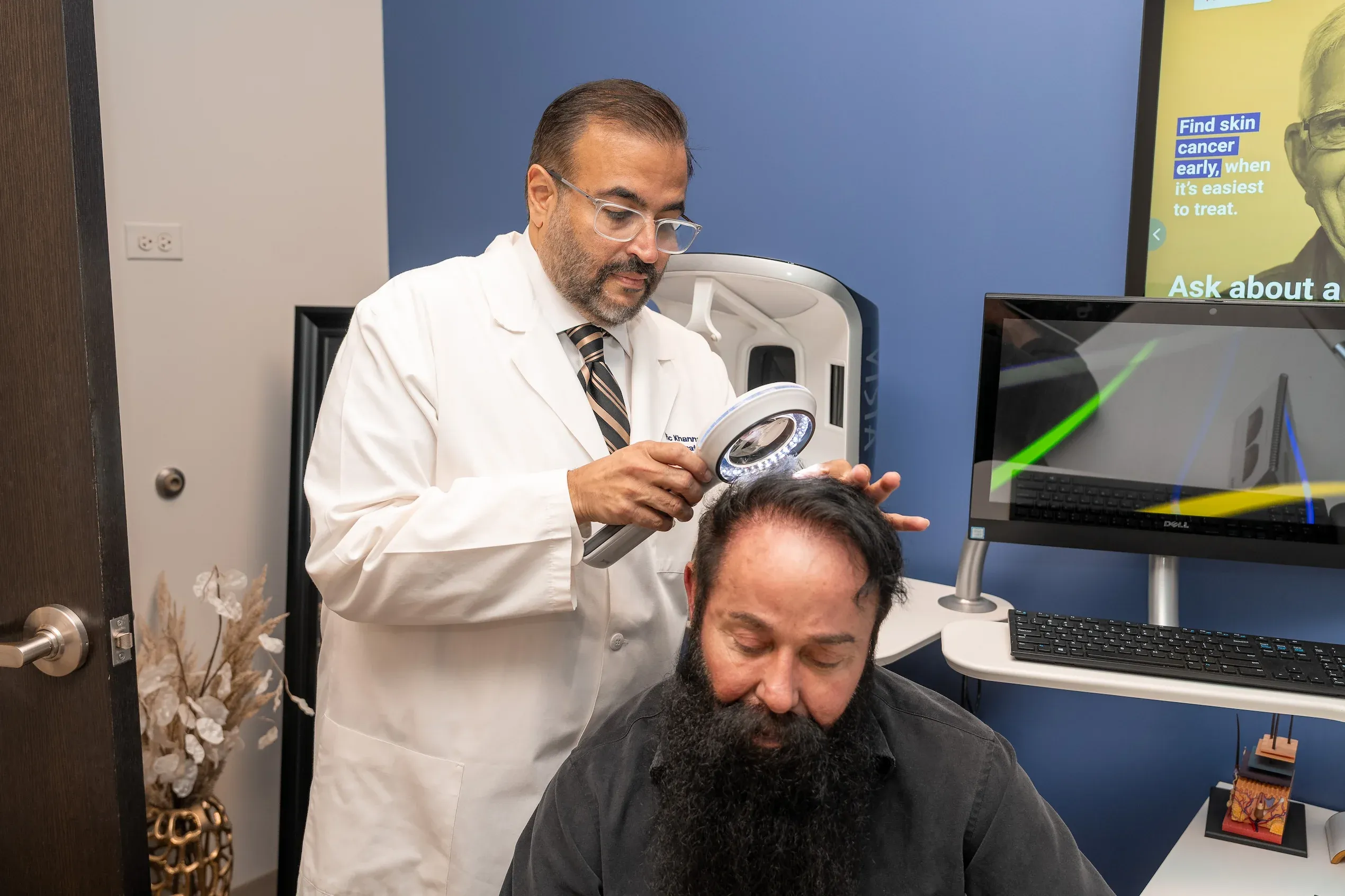
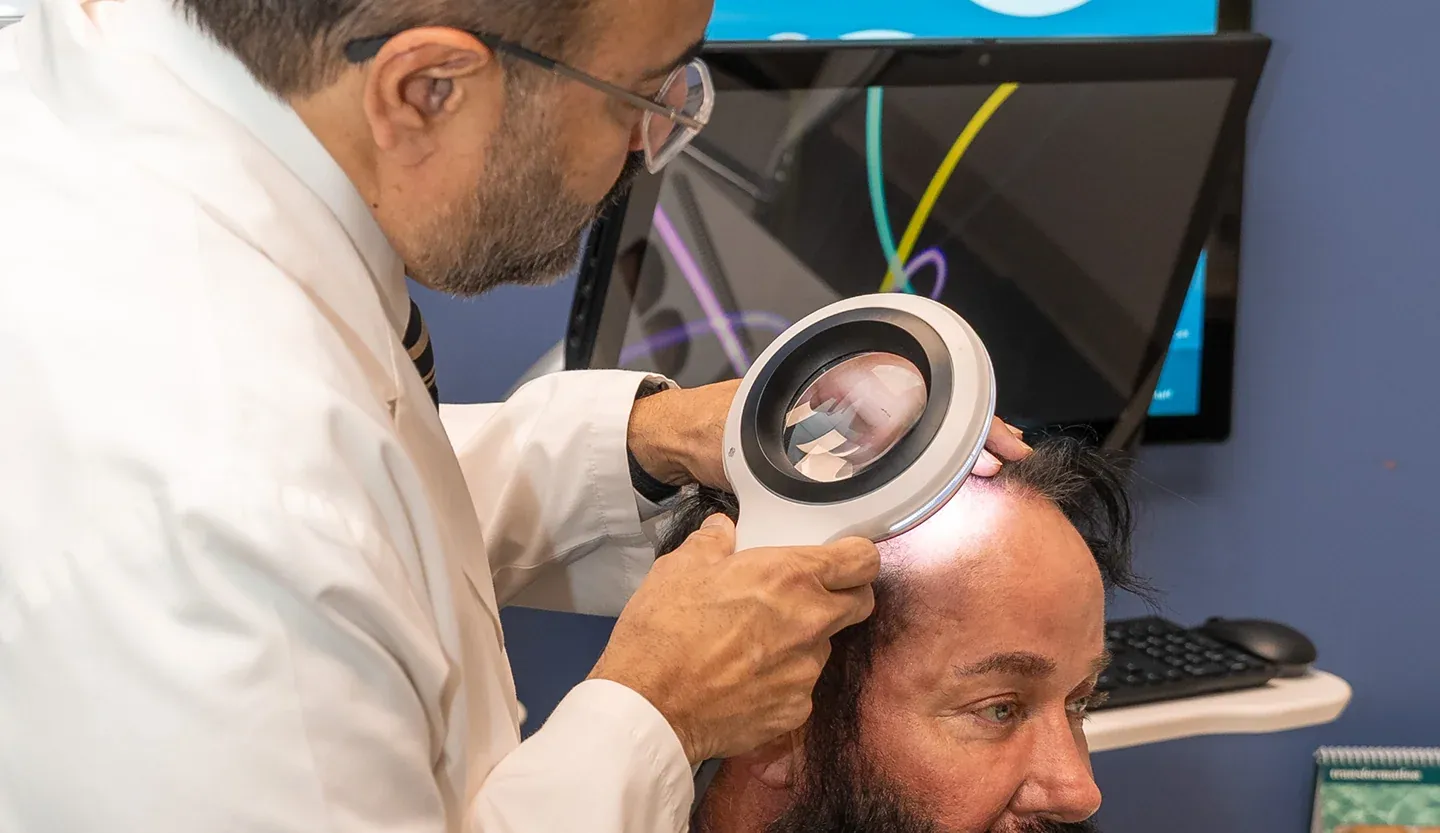
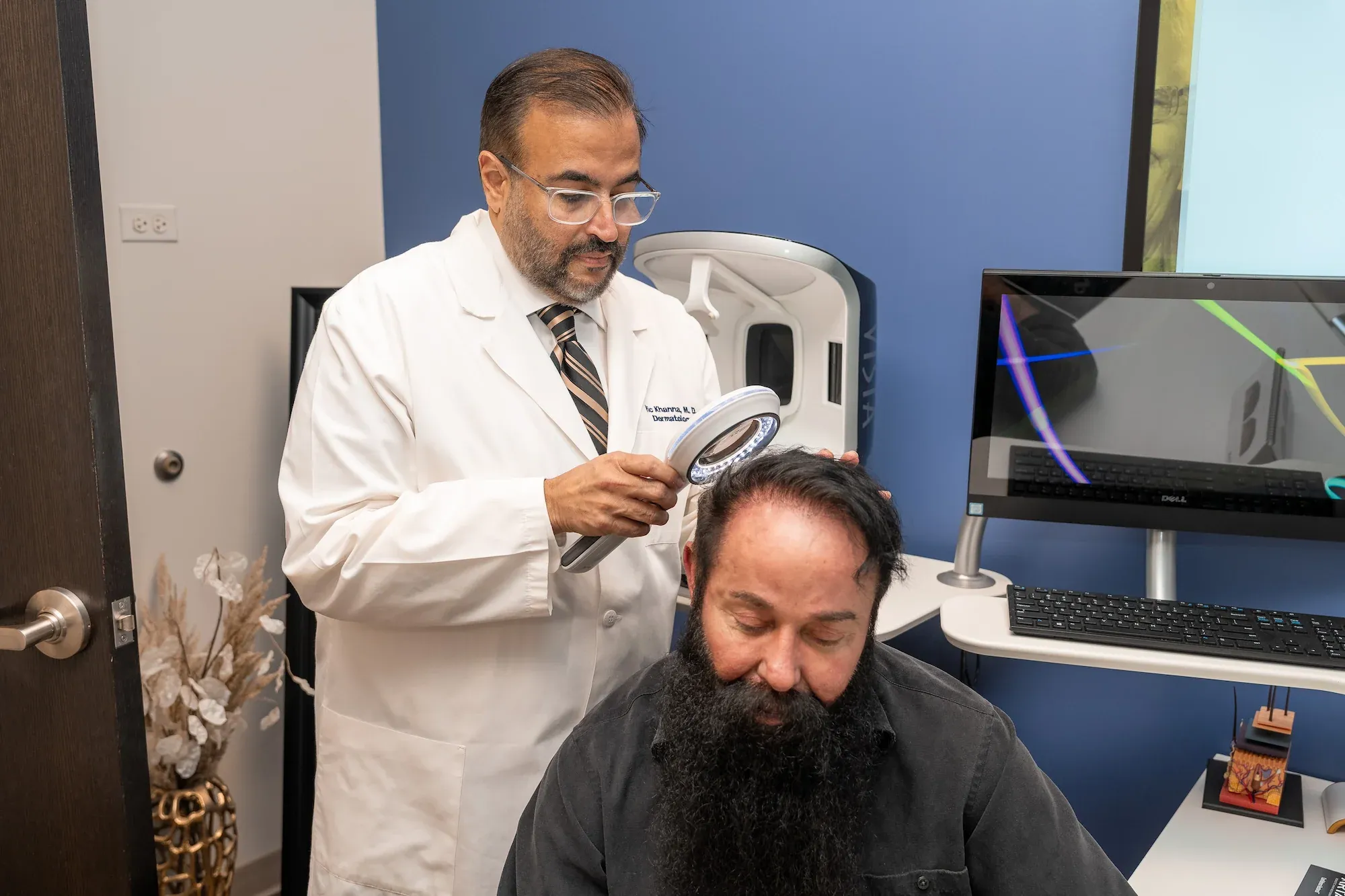
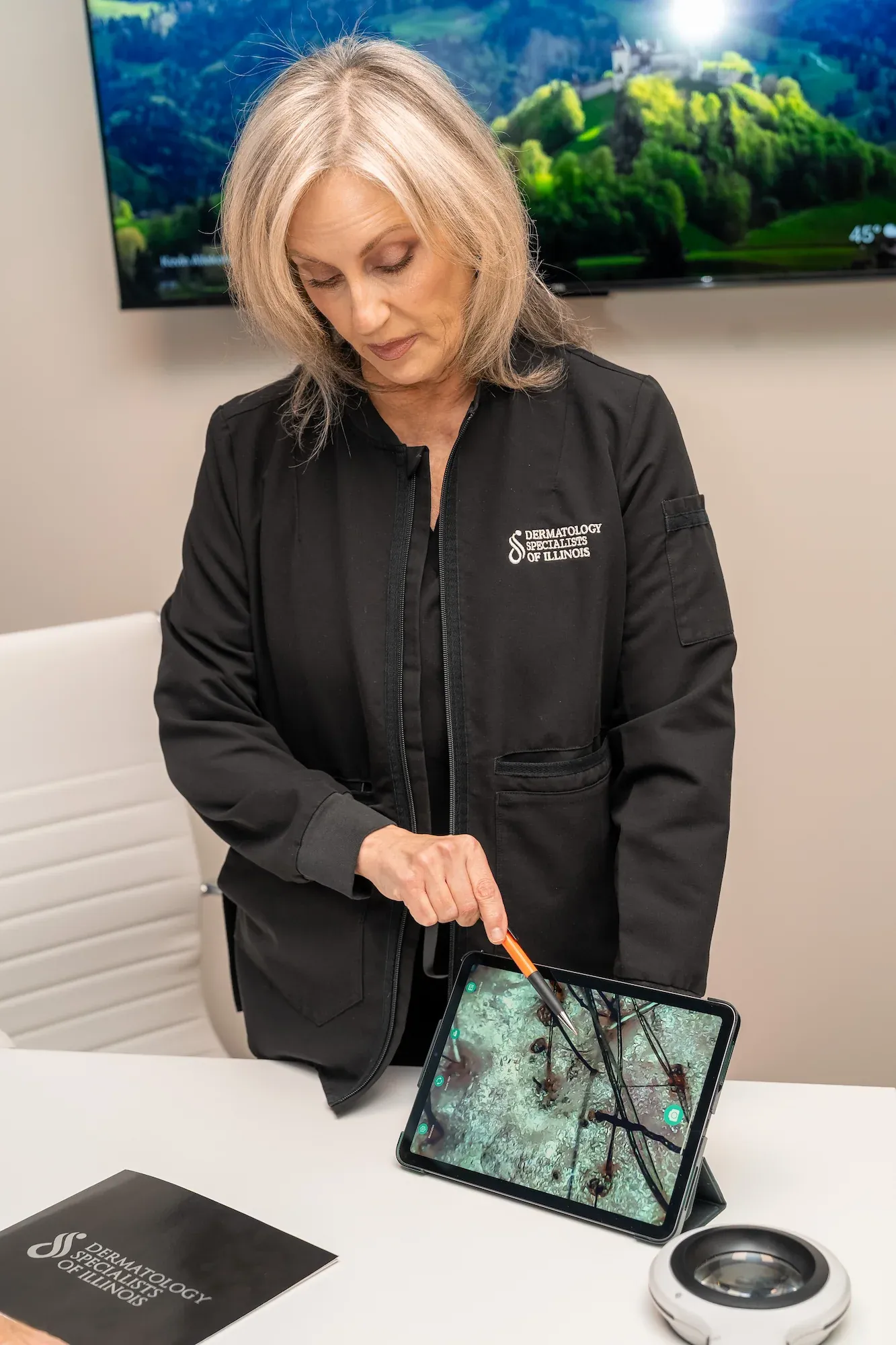
Dr. Khanna or Dr. Boshnick performs a comprehensive scalp examination, reviews your medical history, and may order blood work to identify hormonal or nutritional factors.

Proven Medical Therapies
Understanding Your Options
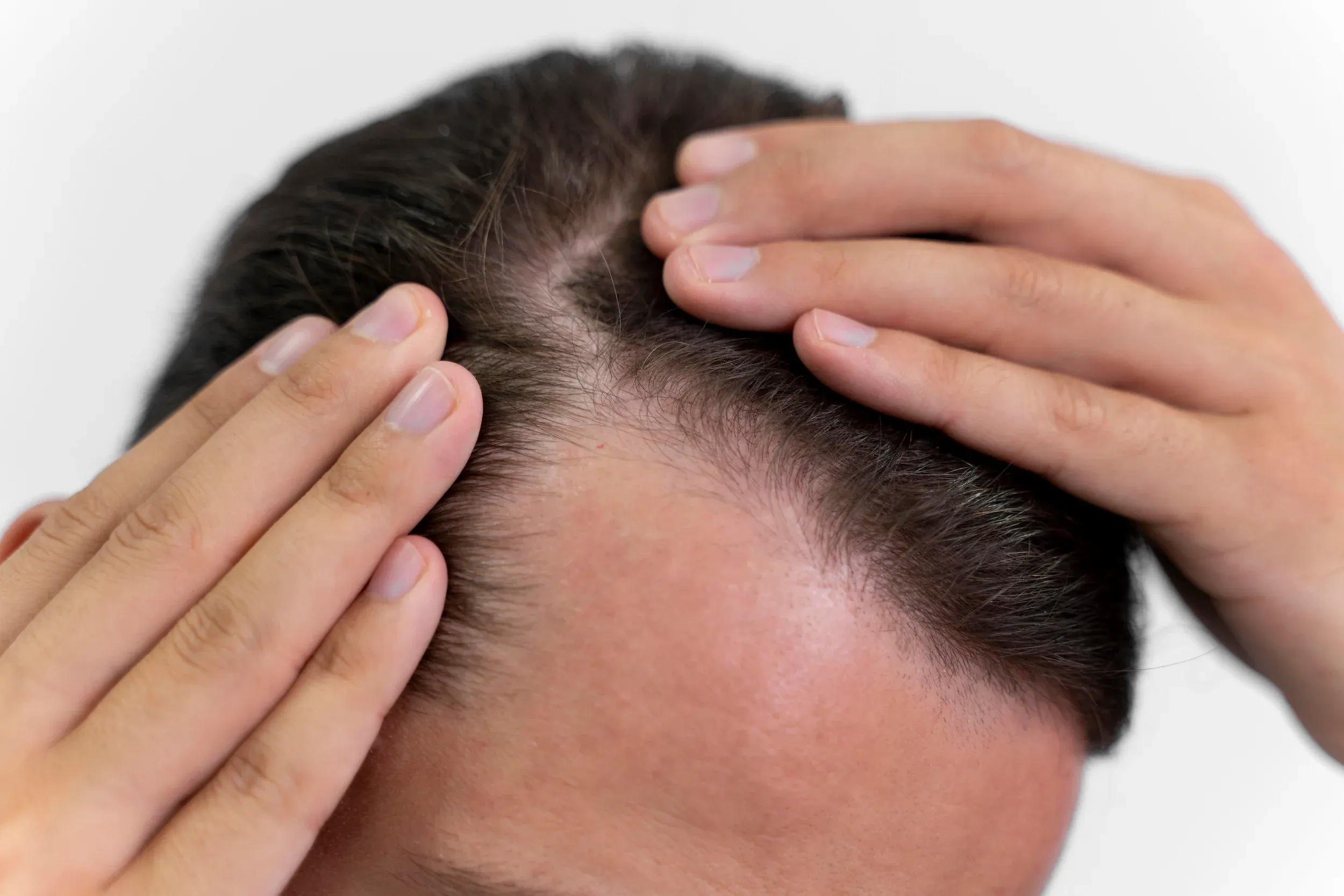
Hair loss can feel isolating and overwhelming. Whether you are noticing gradual thinning hair, diffuse thinning across the scalp, or a receding hairline, the emotional toll is real. Over-the-counter products and generic advice rarely address the underlying cause, whether that is androgenetic alopecia, hormonal shifts, nutritional deficiencies, or stress-related shedding. Without a proper dermatological diagnosis, you risk wasting months on treatments that simply do not work for your specific condition.
At DSI Hair in Algonquin, we take a different approach. Dr. Khanna and Dr. Boshnick begin with a thorough scalp analysis and medical history review to determine exactly why you are losing hair. From there, we create a customized plan that may combine PRP hair restoration, finasteride, minoxidil, oral minoxidil, or Revian laser cap therapy to target your hair loss at every level. For patients who need surgical restoration, we also offer hair transplant procedures.
Evidence-Based Medical Approaches
Non-surgical hair loss treatment encompasses a range of clinically proven medical therapies designed to slow hair loss, strengthen existing follicles, and stimulate new growth without surgery. At DSI Hair, our board-certified dermatologists use a multi-modal approach tailored to each patient's specific diagnosis, hair loss pattern, and goals.
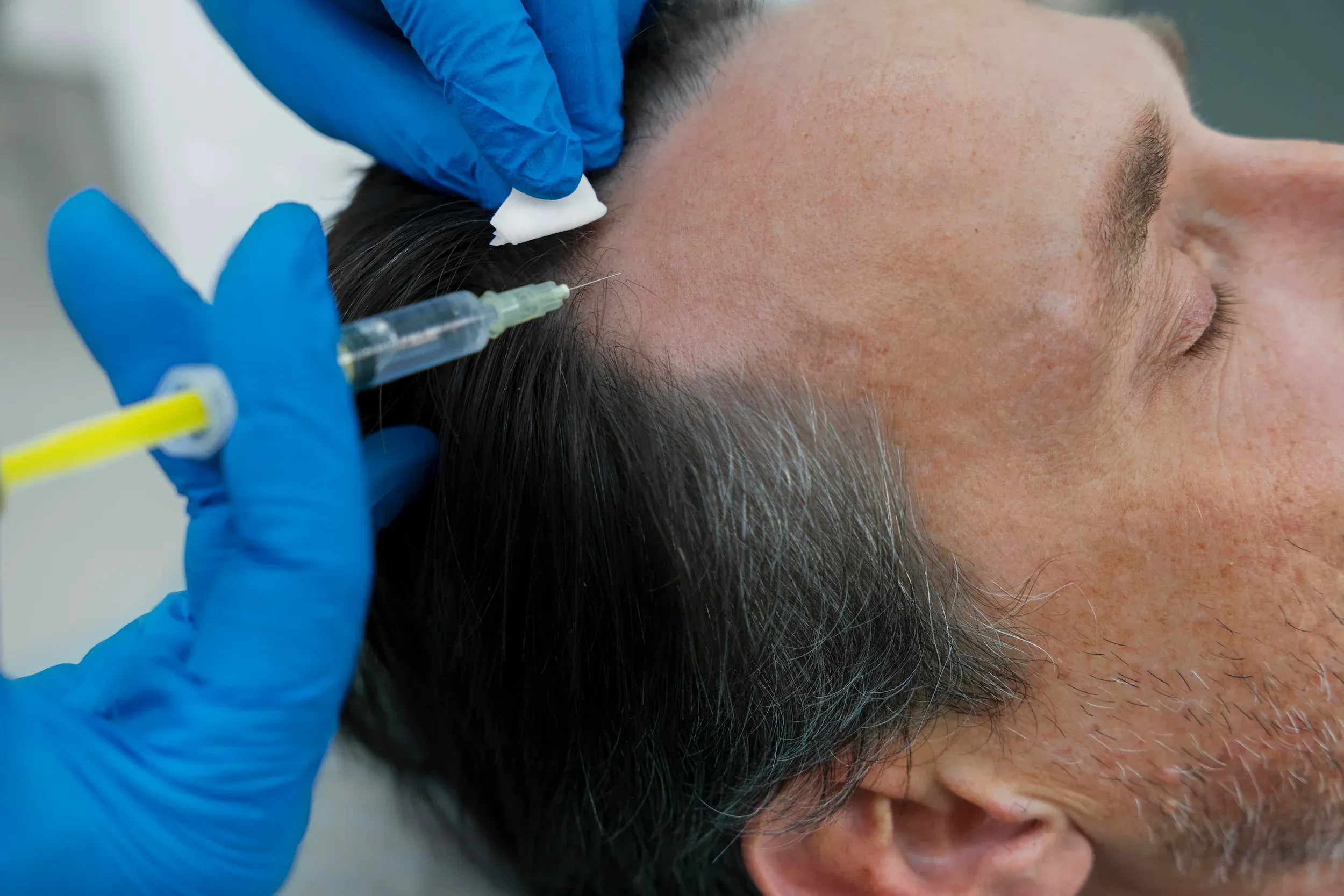
Our non-surgical treatment options include PRP (platelet-rich plasma) hair restoration, which harnesses your body's own growth factors to rejuvenate dormant follicles. Prescription medications like finasteride (Propecia) block DHT, the primary hormone responsible for androgenetic alopecia in men. Topical minoxidil (Rogaine) and oral minoxidil improve blood flow to the scalp and extend the growth phase of the hair cycle. The Revian laser cap uses low-level light therapy (LLLT) to stimulate cellular energy production in follicles, promoting thicker, healthier hair growth.
Each treatment works through a different biological mechanism, which is why combination therapy under dermatologist supervision often produces the most significant results. Dr. Khanna and Dr. Boshnick evaluate your scalp health, hormone levels, and hair density to determine which combination of therapies will be most effective for your specific type of hair loss.
Comprehensive Diagnostic Approach
The most common cause of hair loss in both men and women, treated with finasteride, minoxidil, and PRP
Widespread hair density reduction addressed with oral minoxidil and combination therapy
Proactive treatment to preserve existing hair and prevent further thinning
Specialized protocols using PRP, minoxidil, and laser cap therapy safe for women
Telogen effluvium management with targeted medical therapy and nutritional support
Ongoing medical therapy supports graft survival and helps preserve surrounding native hair after a transplant
Why Choose Non-Surgical
Effective hair restoration without incisions, scarring, or extended recovery time
Five distinct therapies that can be used alone or in combination for optimal results
Every treatment we offer is supported by peer-reviewed research and FDA clearance
Board-certified specialists monitor your progress and adjust protocols as needed
Gender-specific protocols tailored to the unique patterns of male and female hair loss
Treatment Comparison
| Treatment | Mechanism | Time | Results | Duration | Downtime | Best For |
|---|---|---|---|---|---|---|
| PRP Therapy | Growth factor stimulation | 45-60 min per session | Thicker density, new growth | 12-18 months per series | None | Thinning hair, early-stage loss |
| Medications (Finasteride/Minoxidil) | DHT blocking, vasodilation | Daily oral/topical | Slows loss, regrows hair | Ongoing daily use | None | Androgenetic alopecia |
| Laser Cap Therapy | Low-level light stimulation | 10 min daily at home | Improved thickness, reduced shedding | Ongoing daily use | None | Diffuse thinning, adjunct therapy |
Personalized Treatment Planning
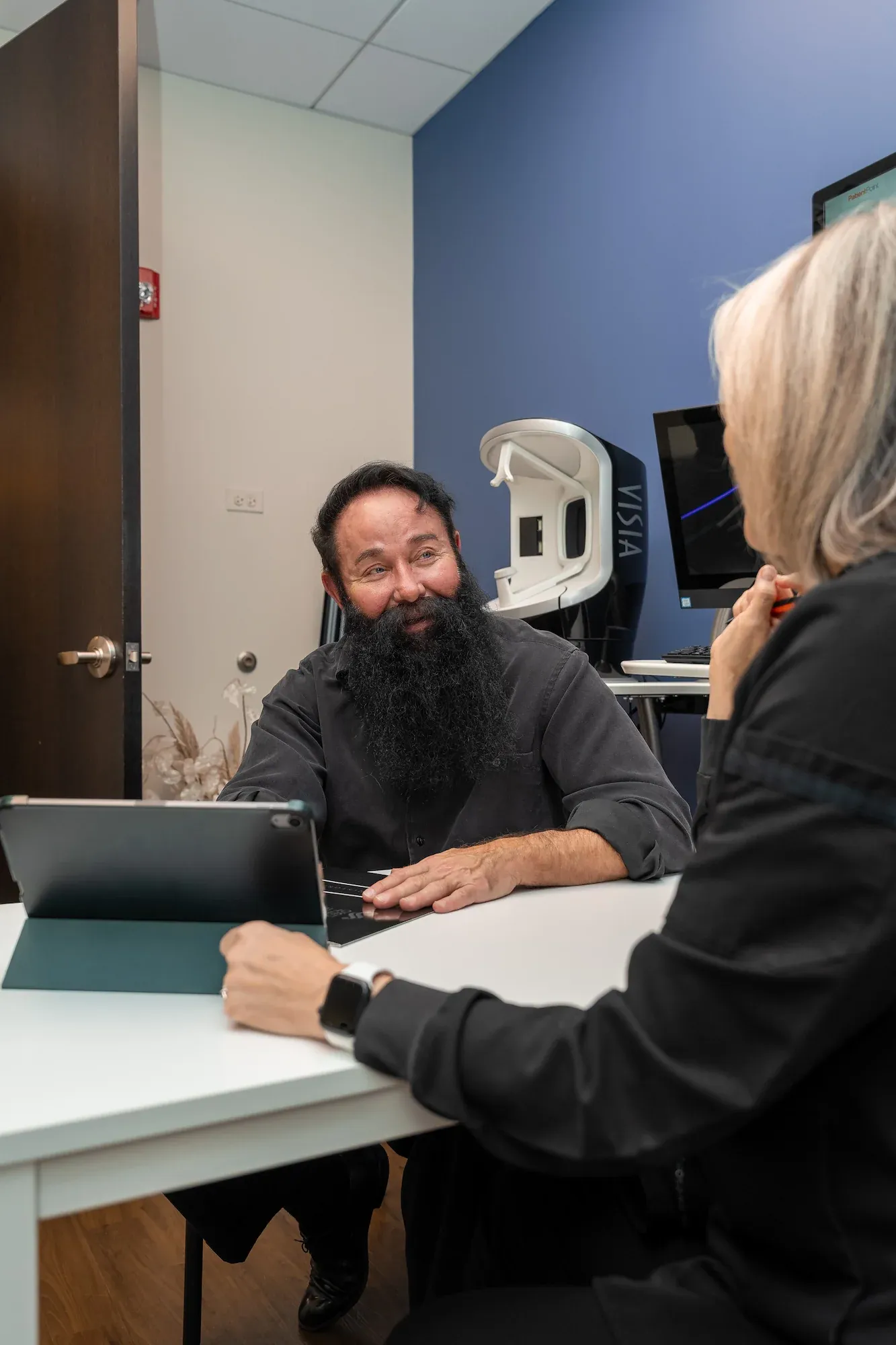
Non-surgical hair loss treatment is appropriate for a wide range of patients experiencing hair thinning or loss. During your consultation at DSI Hair, Dr. Khanna or Dr. Boshnick will evaluate your scalp, review your medical history, and recommend the most effective treatment combination for your specific situation.
If you are unsure whether non-surgical treatment is right for you, schedule a consultation. Our dermatologists will provide an honest assessment and recommend the best path forward.
Step-by-Step Treatment Journey
Dr. Khanna or Dr. Boshnick performs a comprehensive scalp examination, reviews your medical history, and may order blood work to identify hormonal or nutritional factors.
Using dermoscopy and clinical evaluation, your dermatologist identifies the specific type of hair loss and discusses findings with you in detail.
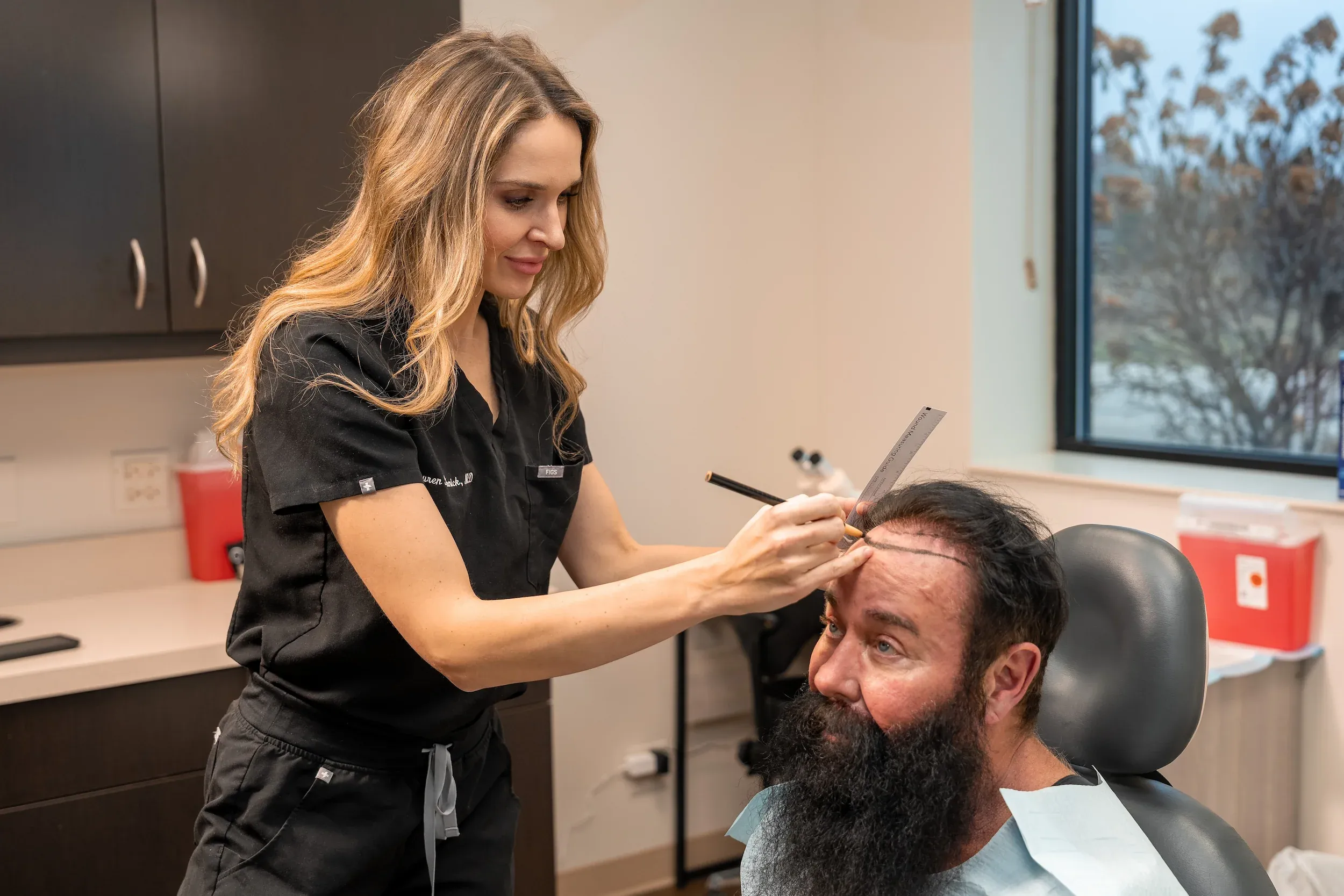
Your provider designs a customized protocol combining the most effective therapies for your condition, whether PRP, medication, laser cap, or a multi-modal approach.
Regular follow-up appointments with photo documentation track your progress, and your treatment plan is adjusted based on measurable results.
Non-surgical hair loss treatments at DSI Hair carry minimal risk when prescribed and monitored by our board-certified dermatologists. Each treatment has its own safety profile:
PRP Hair Restoration: Because PRP uses your own blood, allergic reactions are virtually nonexistent. Mild scalp tenderness, swelling, or bruising at injection sites typically resolves within 24-48 hours.
Finasteride: A small percentage of men may experience decreased libido or sexual side effects, which typically resolve after discontinuation. Finasteride is not prescribed to women of childbearing age.
Topical Minoxidil: The most common side effect is mild scalp irritation or dryness. Some patients experience a temporary increase in shedding during the first 2-4 weeks as dormant follicles enter a new growth cycle.
Oral Minoxidil: Low-dose oral minoxidil may cause mild fluid retention or increased body hair growth. Dr. Khanna monitors cardiovascular health in all patients on oral minoxidil.
Revian Laser Cap: No known side effects. The device is FDA-cleared and uses low-level light that does not produce heat or discomfort.
Dr. Khanna and Dr. Boshnick thoroughly review all potential side effects during your consultation and tailor prescriptions to minimize risk based on your health history.
The cost of non-surgical hair loss treatment at DSI Hair varies depending on the therapy or combination of therapies recommended for your specific condition. During your consultation, Dr. Khanna or Dr. Boshnick will provide a detailed treatment plan with transparent pricing.
PRP Hair Restoration: Pricing varies by treatment series. Most patients begin with 3-4 sessions spaced 4-6 weeks apart, followed by maintenance treatments.
Finasteride (Propecia): Prescription medication with monthly cost depending on generic vs. brand formulation.
Topical Minoxidil (Rogaine): Available over-the-counter; clinical-strength formulations may be prescribed.
Oral Minoxidil: Low-cost daily prescription medication requiring regular monitoring appointments.
Revian Laser Cap: One-time device purchase with no ongoing consumable costs.
Many patients find that combining treatments delivers superior results at a better overall value compared to surgical alternatives. Contact our Algonquin office at (844) 307-7546 for current pricing and to schedule your consultation.
Board-Certified Expertise
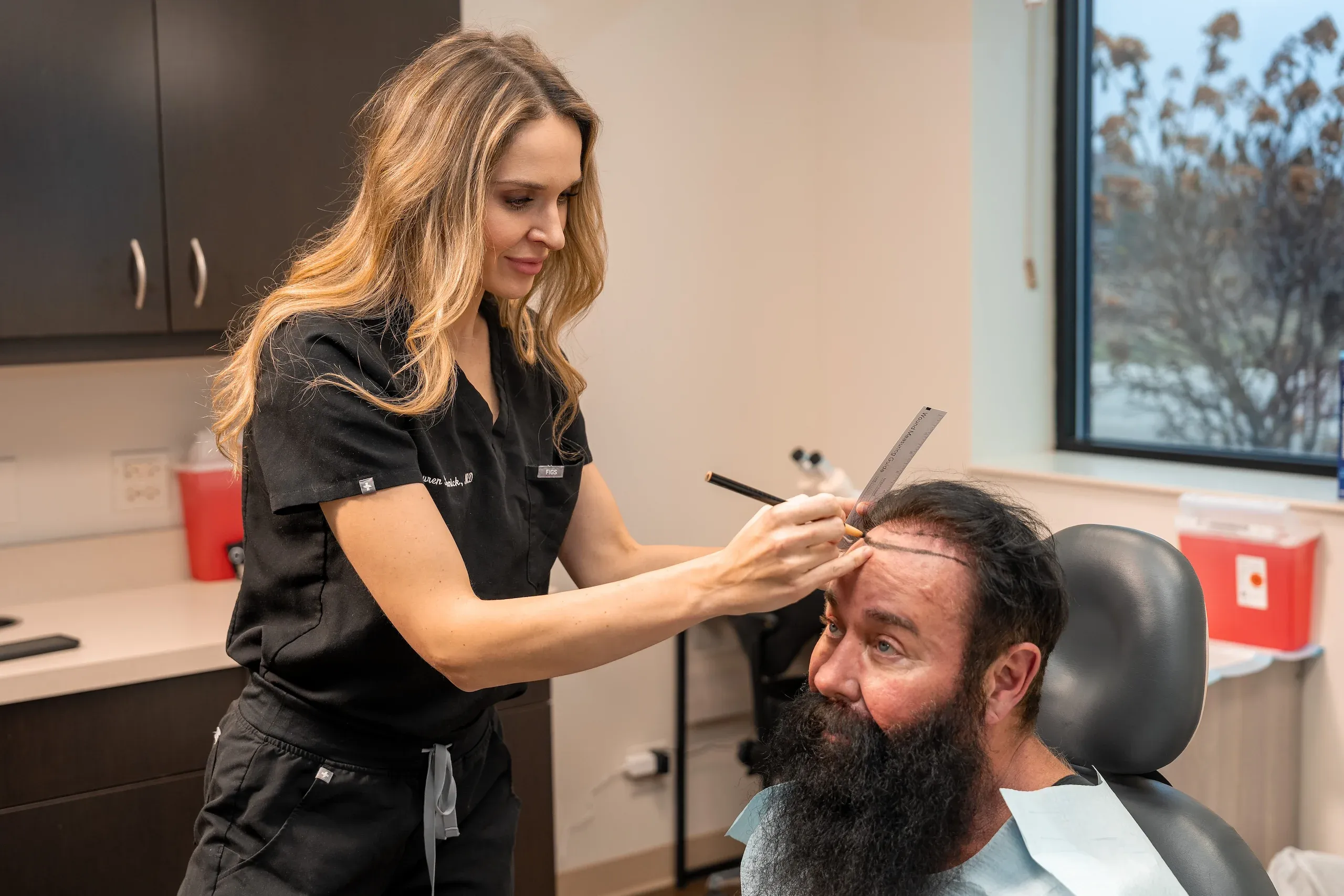
Two board-certified dermatologists collaborate on every complex hair loss case
PRP, medications, laser therapy, and transplant surgery all under one roof
We identify the root cause before recommending treatment, not the other way around
Regular follow-ups with photo tracking to measure progress and adjust your plan
Explore each of our non-surgical hair loss treatments in detail.
View allAnswers from Our Dermatologists
At DSI Hair in Algonquin, we offer five non-surgical treatments: PRP hair restoration, finasteride (Propecia), topical minoxidil (Rogaine), oral minoxidil, and the Revian laser cap. Each targets hair loss through a different mechanism, and our dermatologists often combine treatments for the best results.
Clinical studies show finasteride reduces hair loss in approximately 90% of men who take it consistently, with about 65% experiencing regrowth. Minoxidil promotes regrowth in roughly 40-60% of users. When combined under dermatologist supervision, effectiveness improves significantly. Results depend on the type and stage of hair loss, which is why a proper diagnosis is the first step.
Yes. Many patients achieve significant improvement with non-surgical treatments alone, especially when hair loss is caught early. PRP therapy, prescription medications, and laser cap therapy can slow or stop hair loss and promote regrowth. For advanced hair loss, non-surgical treatments are often combined with hair transplant surgery to maximize and maintain results.
Some treatments require a prescription. Finasteride is a prescription-only oral medication, and oral minoxidil requires a doctor's prescription and monitoring. Topical minoxidil is available over the counter, though our dermatologists may prescribe clinical-strength formulations. PRP and laser cap therapy are administered or dispensed through our clinic after a medical evaluation.
Most patients notice reduced shedding within 2-3 months of starting treatment. Visible improvement in hair density typically appears at 4-6 months, with optimal results at 9-12 months. PRP patients often see initial improvement after 2-3 sessions. Consistency is critical — stopping treatment early often leads to resumed hair loss. Our team monitors your progress with regular photo documentation.